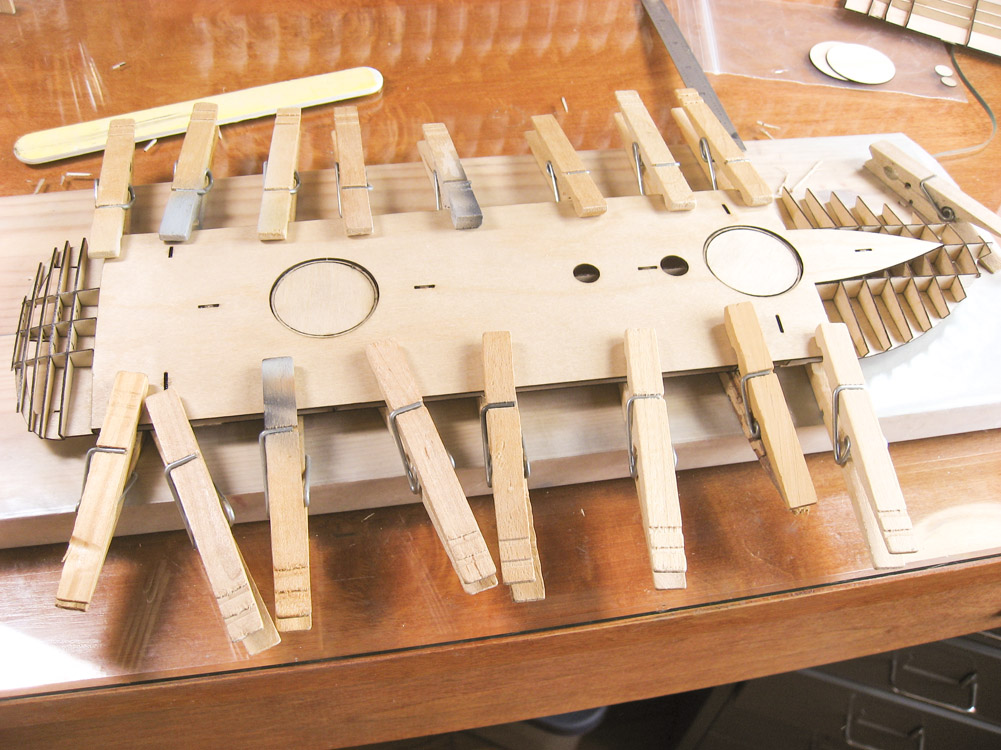
One of the more interesting and enjoyable, and often frustrating, parts of trying something new is figuring out exactly how to do it. Since I’ve got Chickasaw framed up, Dean and I have discussed it and I realized that I do not need to sheet the open structures. The model was designed to have the voids filled and then detailed. This is possibly a hold-over strategy from when we were going to have this cut out of styrene (neither of us can remember at this point!) and it would have worked well with that approach, but for plywood it doesn’t. I need a layer of styrene to work with for scribing, detailing, etc. Therefore, I’m going ahead with filling the open structures and I have ordered some .005 and .010 thick styrene from Evergreen to use for sheeting; that’s as thin as they make it.
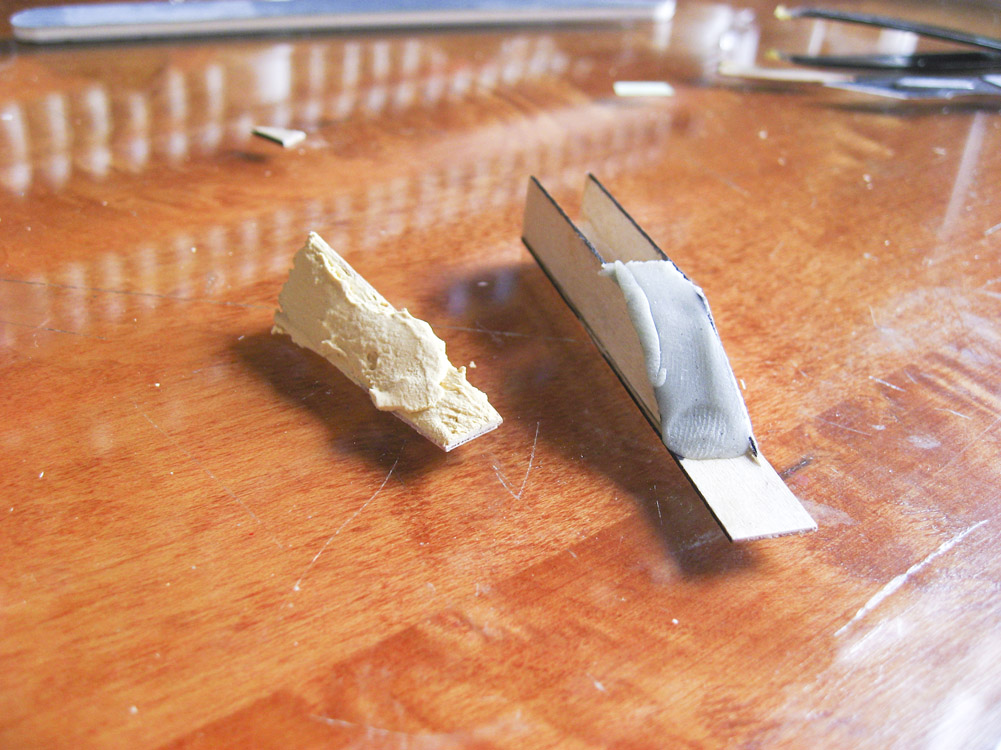
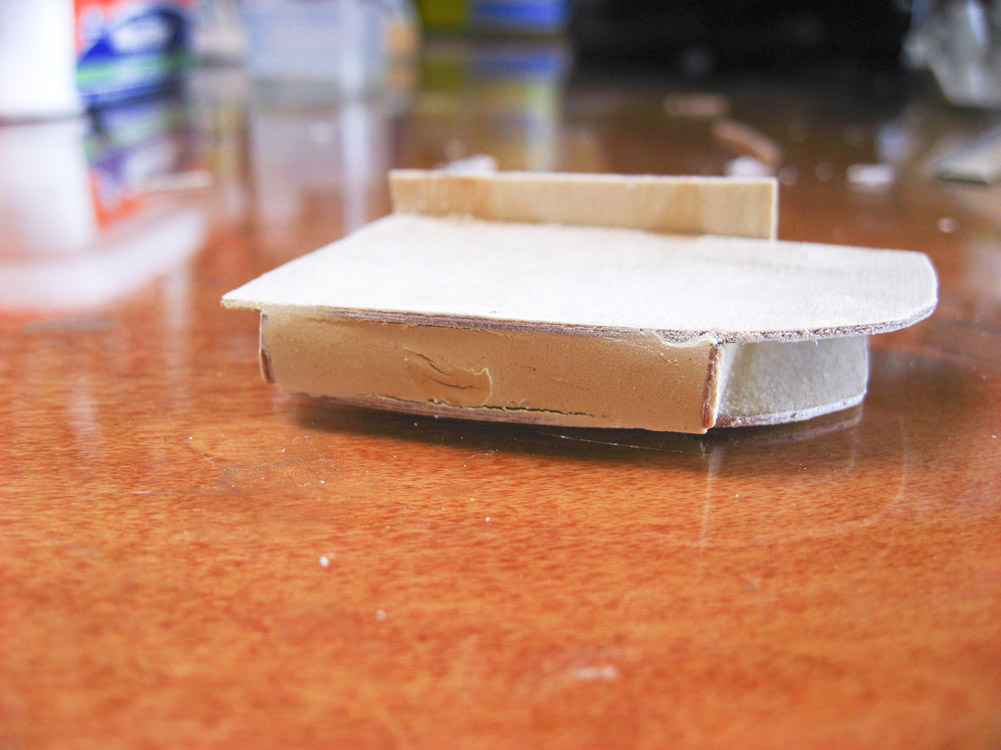
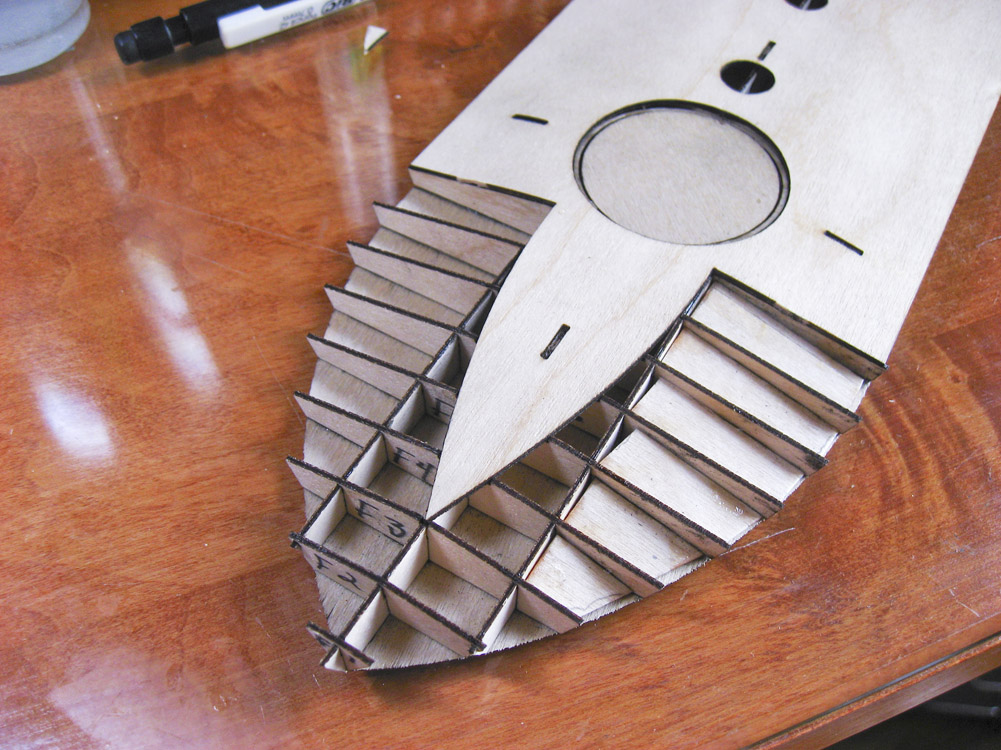
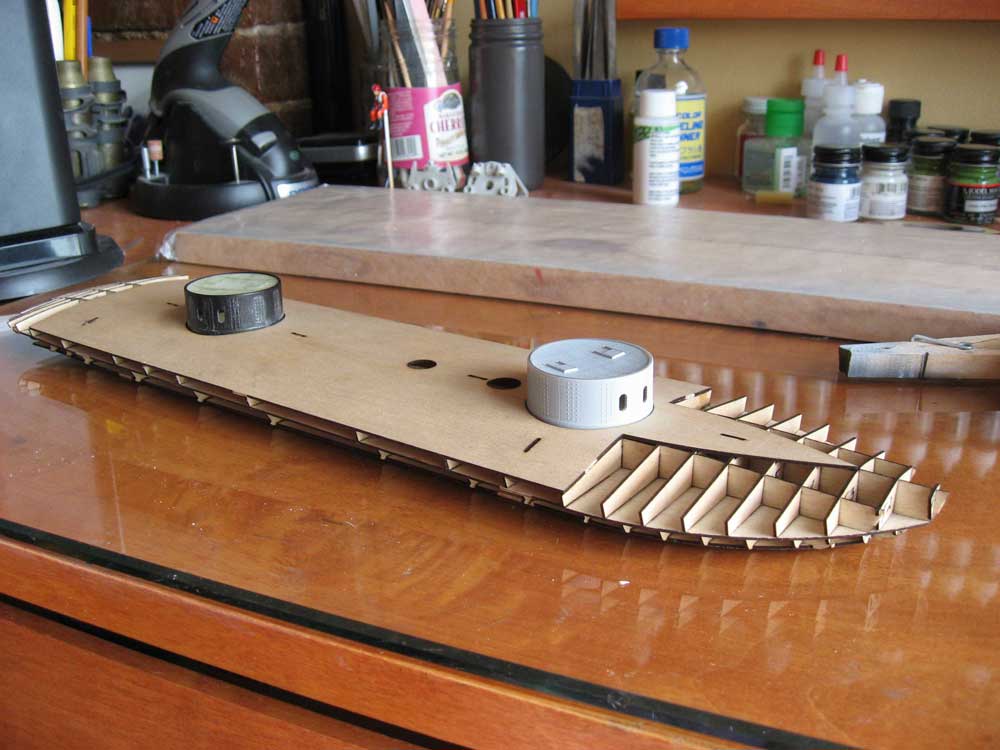
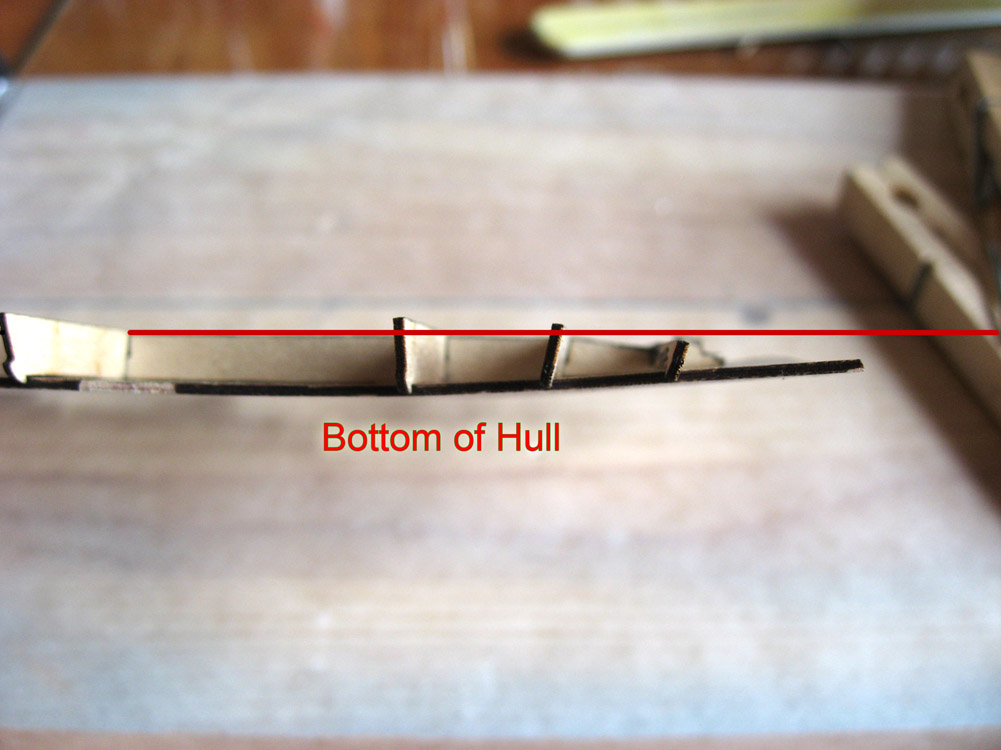
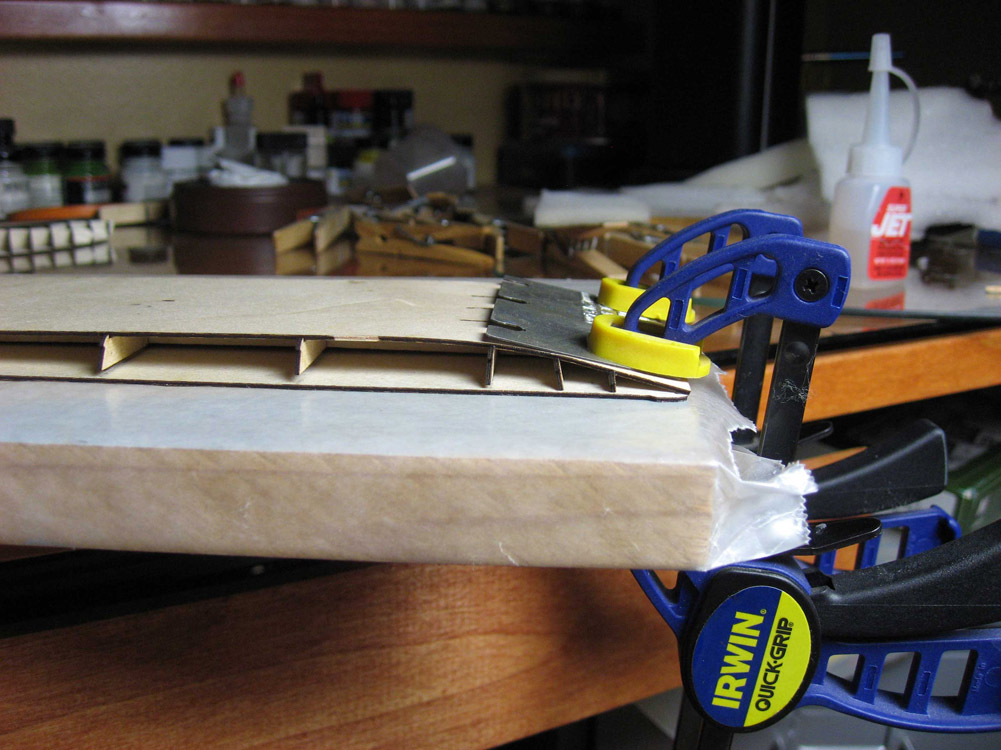
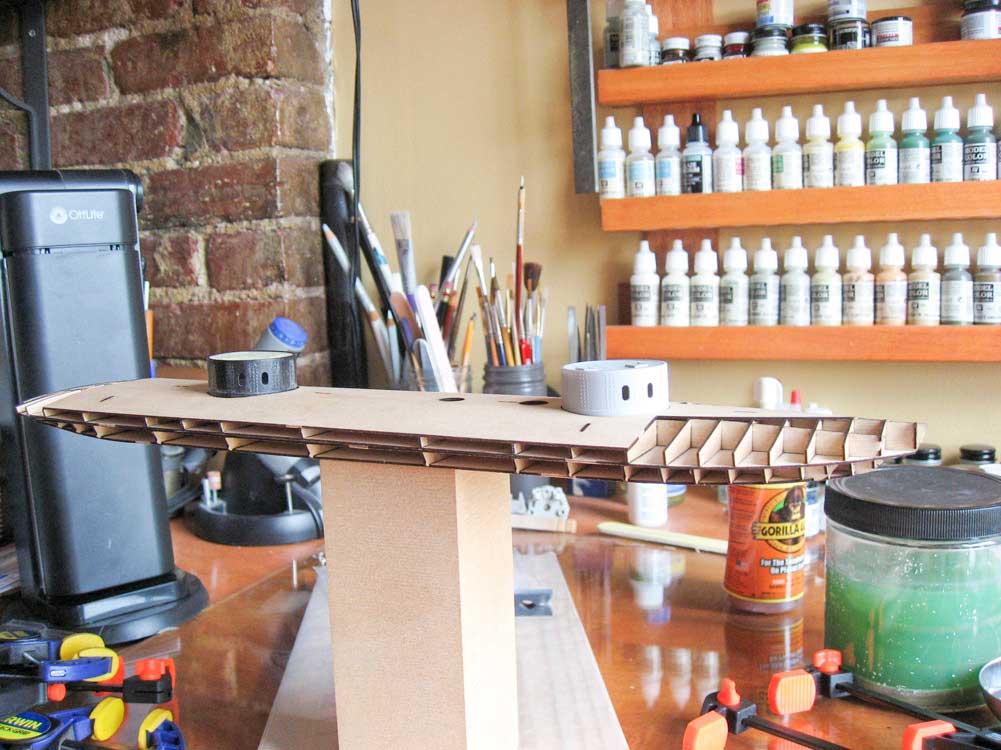
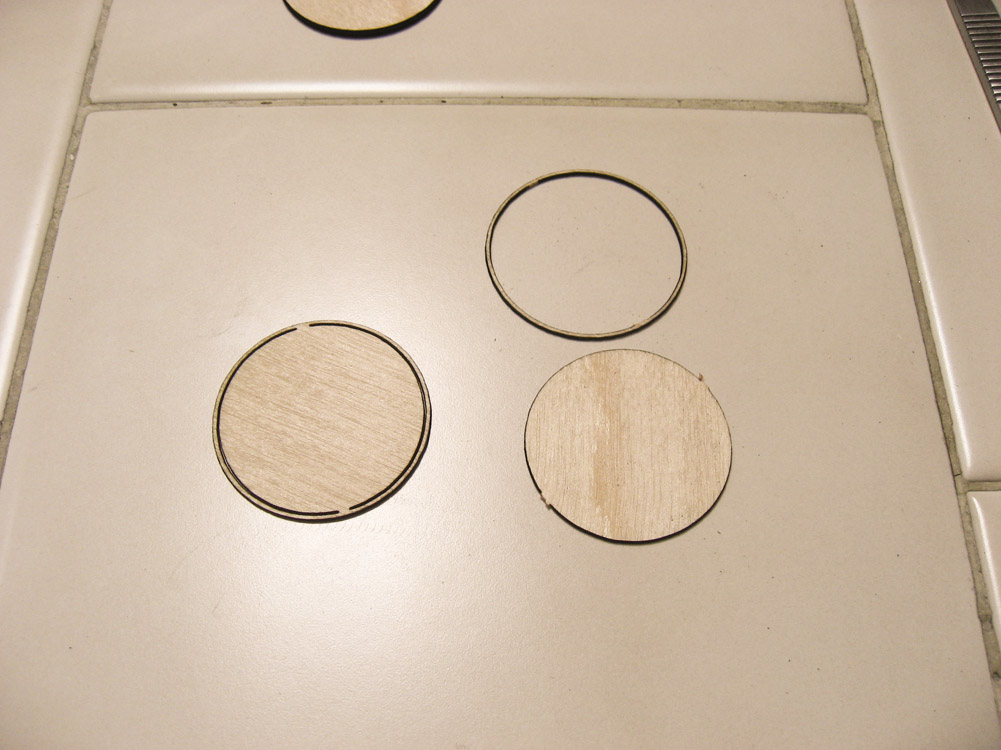
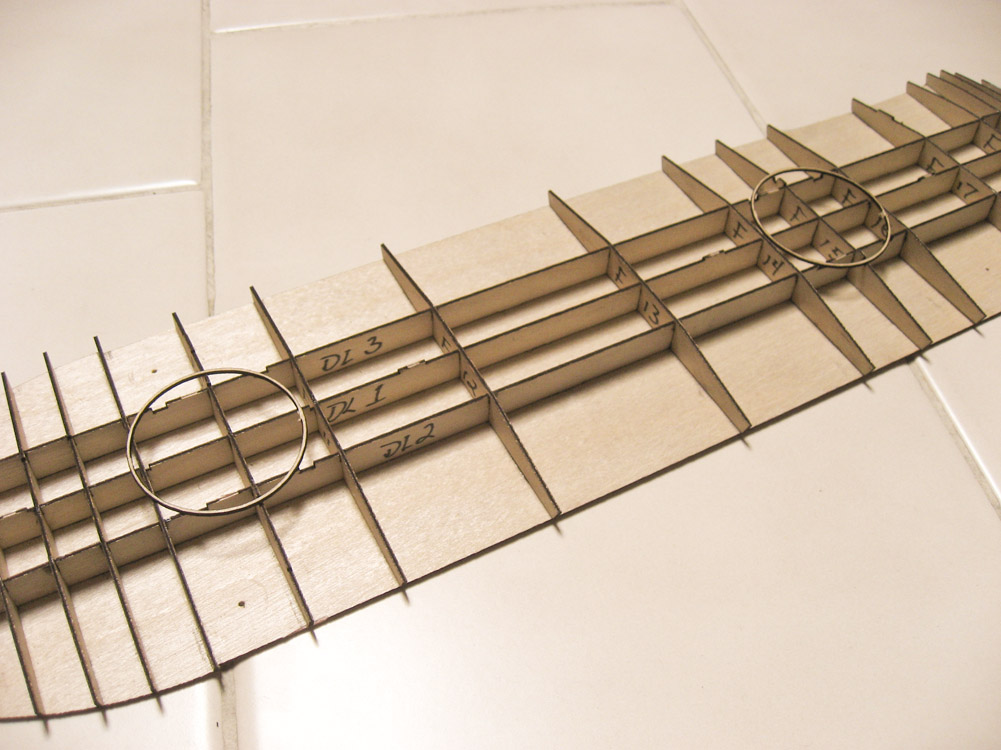
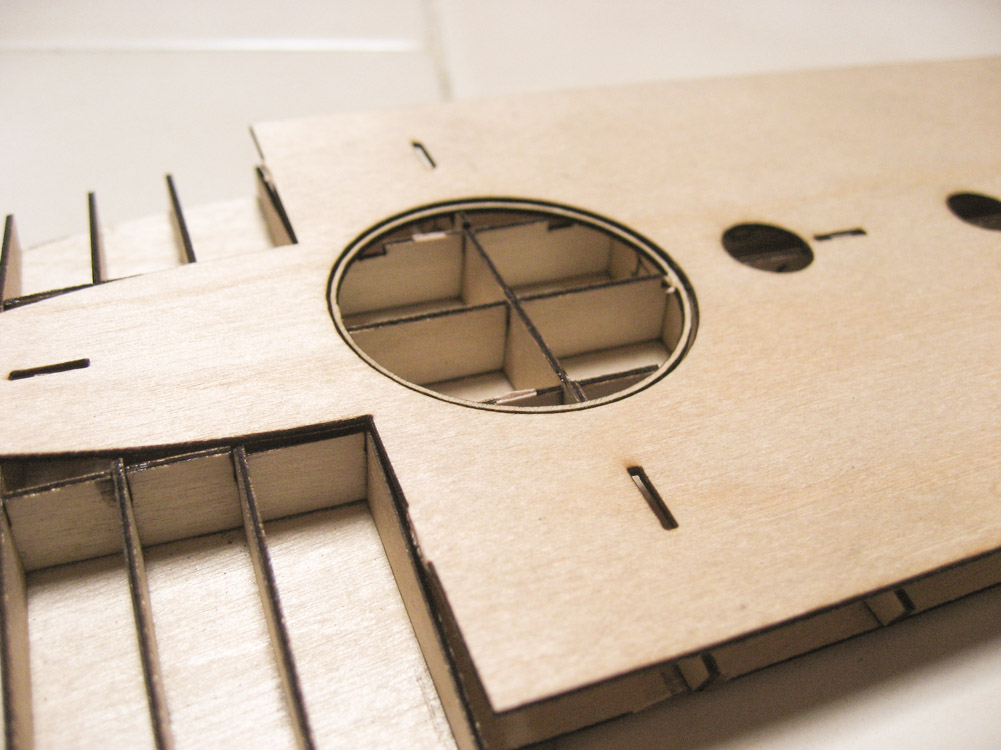
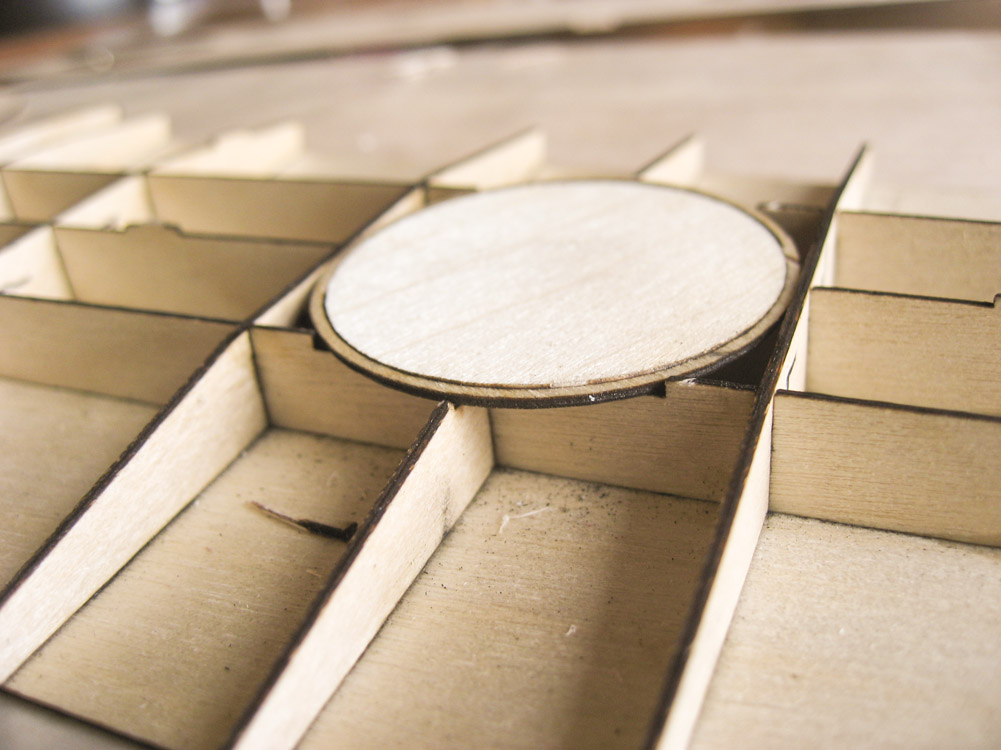
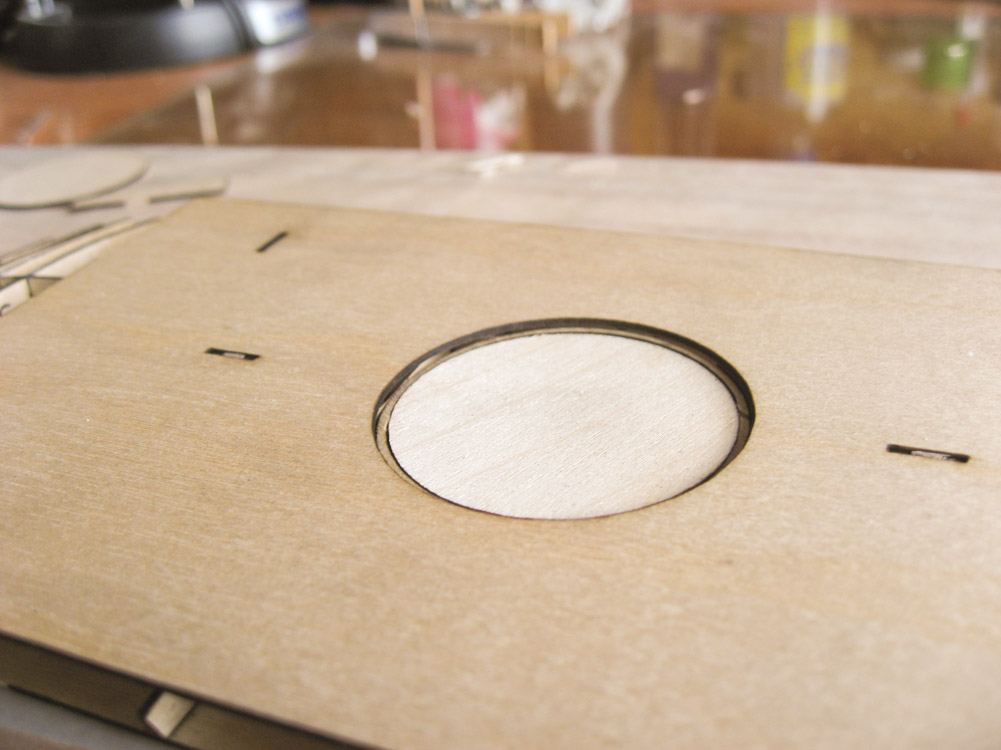
So I need to test how to best fill the openings. My initial thoughts were expanding foam. A quick Google search of R/C and other modeling sites returned phrases like “exploded the rib assembly” and “still expanding after two weeks!” and talked me out of that real quick. Below are some of my test pieces that I built from scrap to do some experiments:
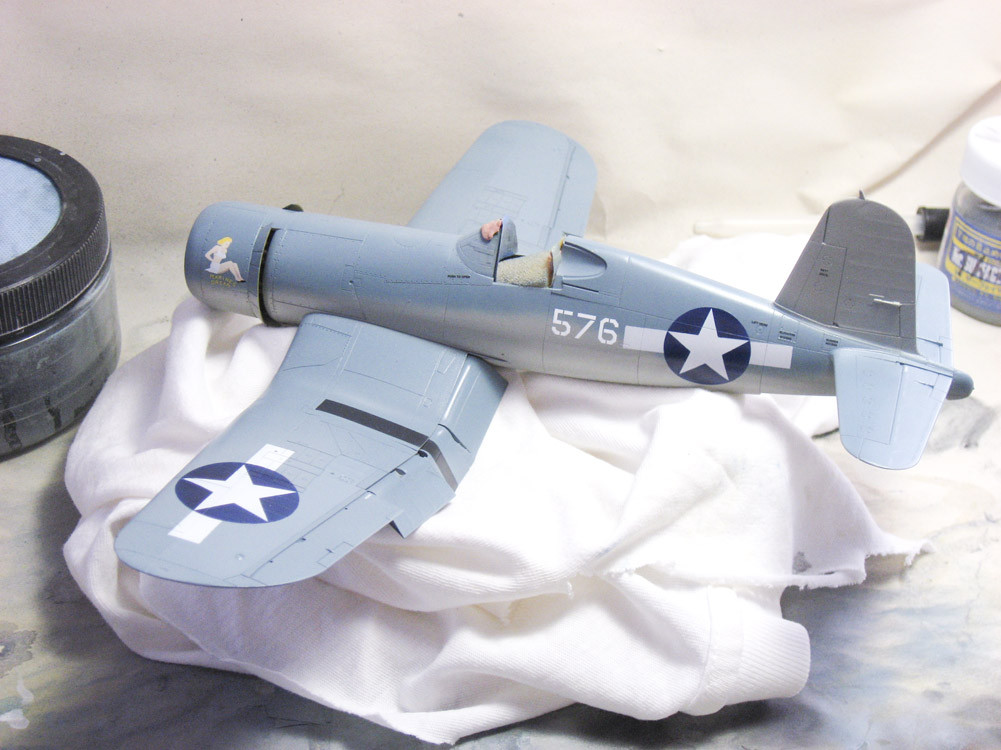
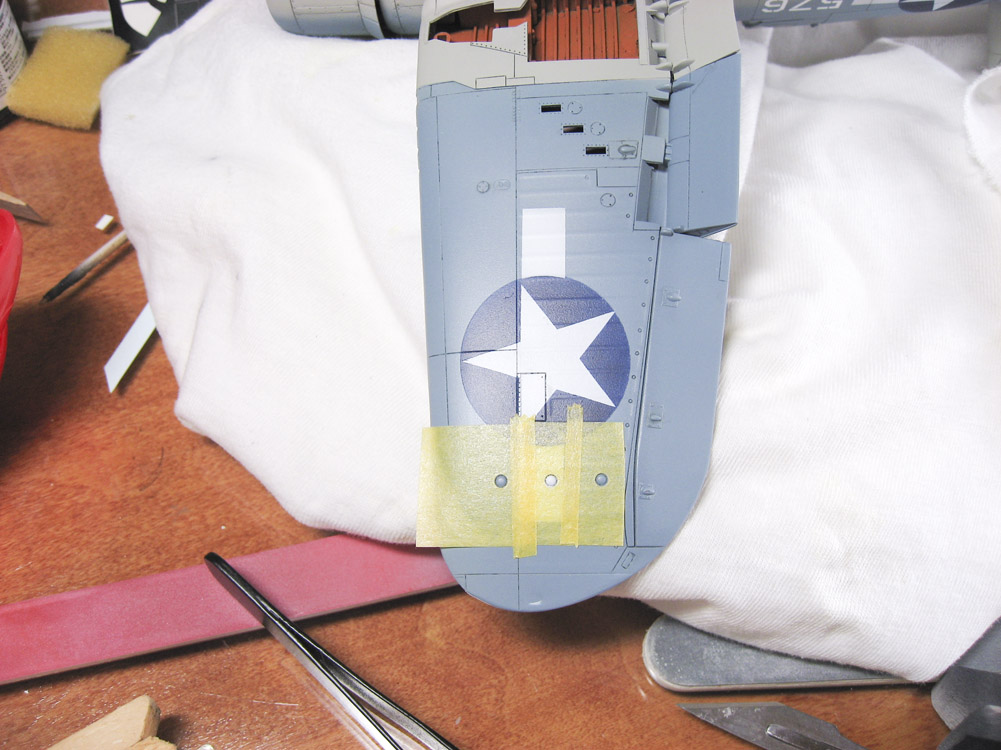
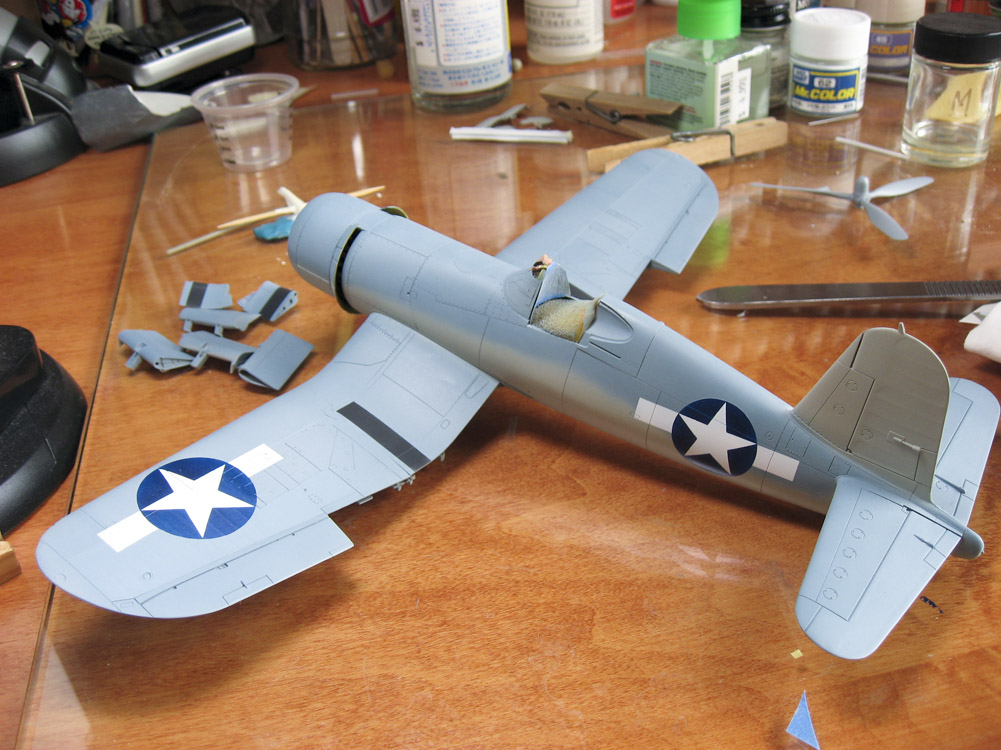
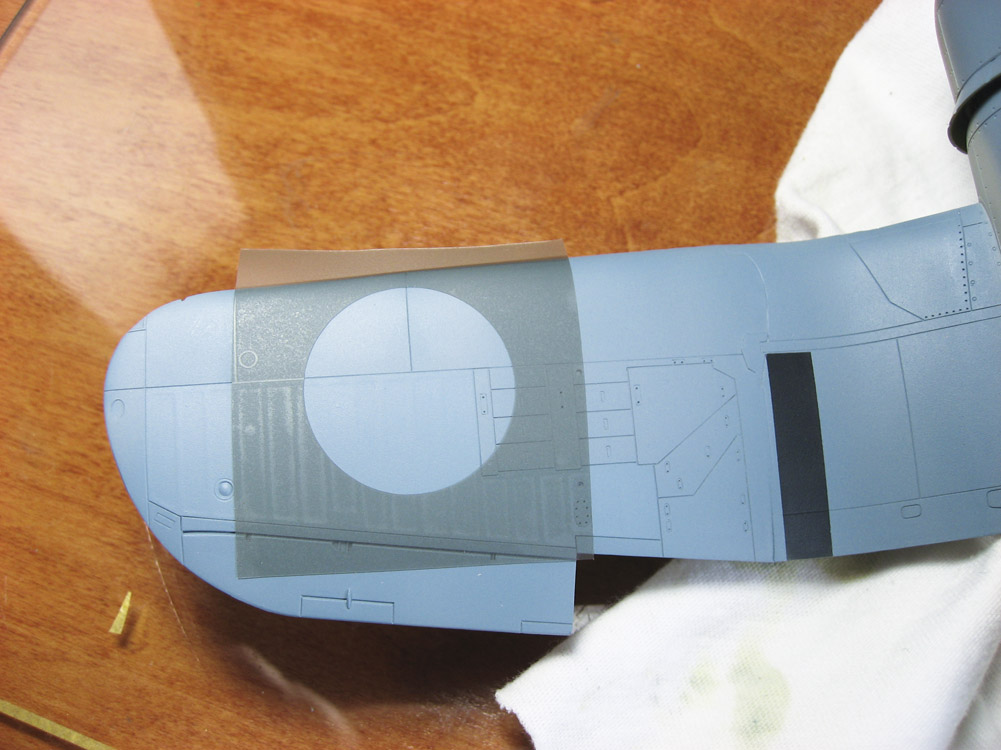
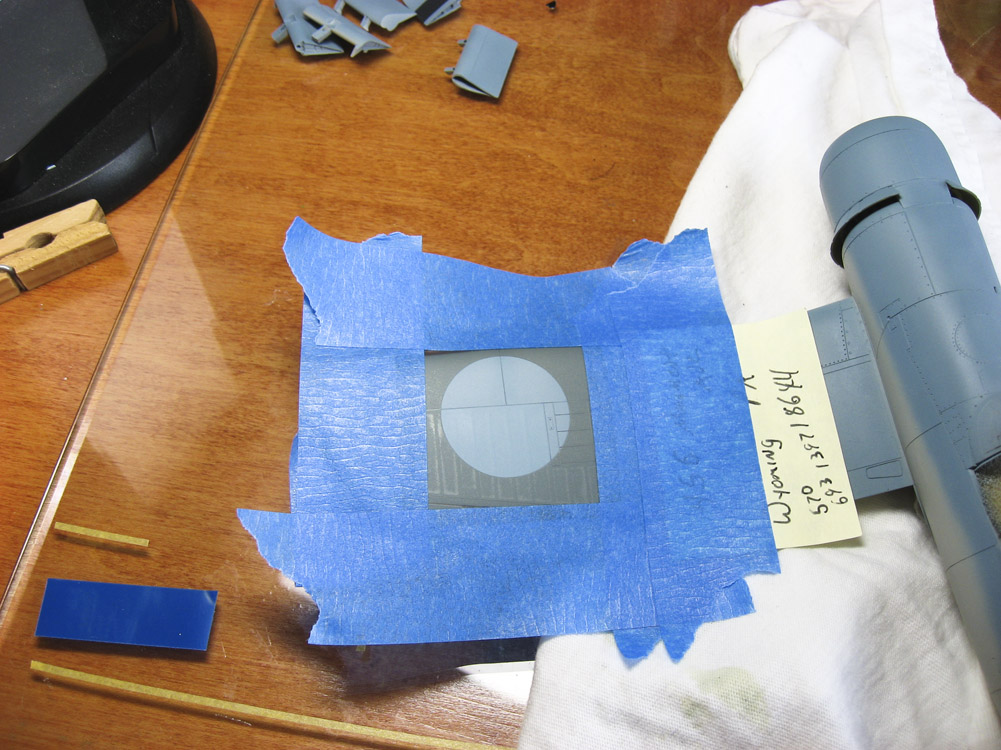
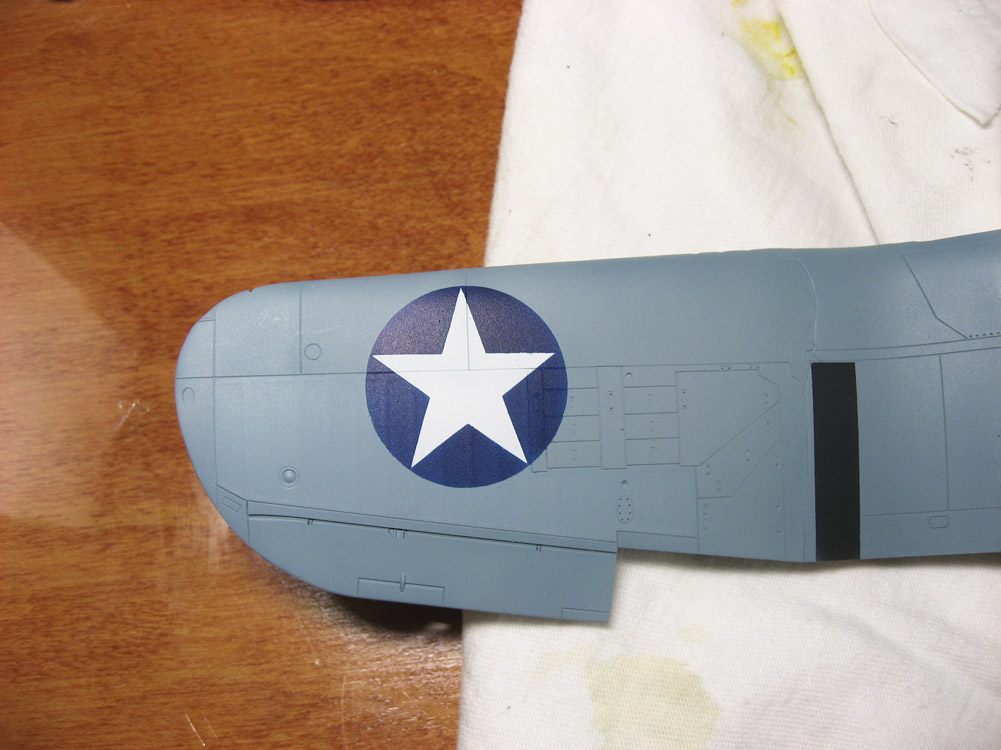
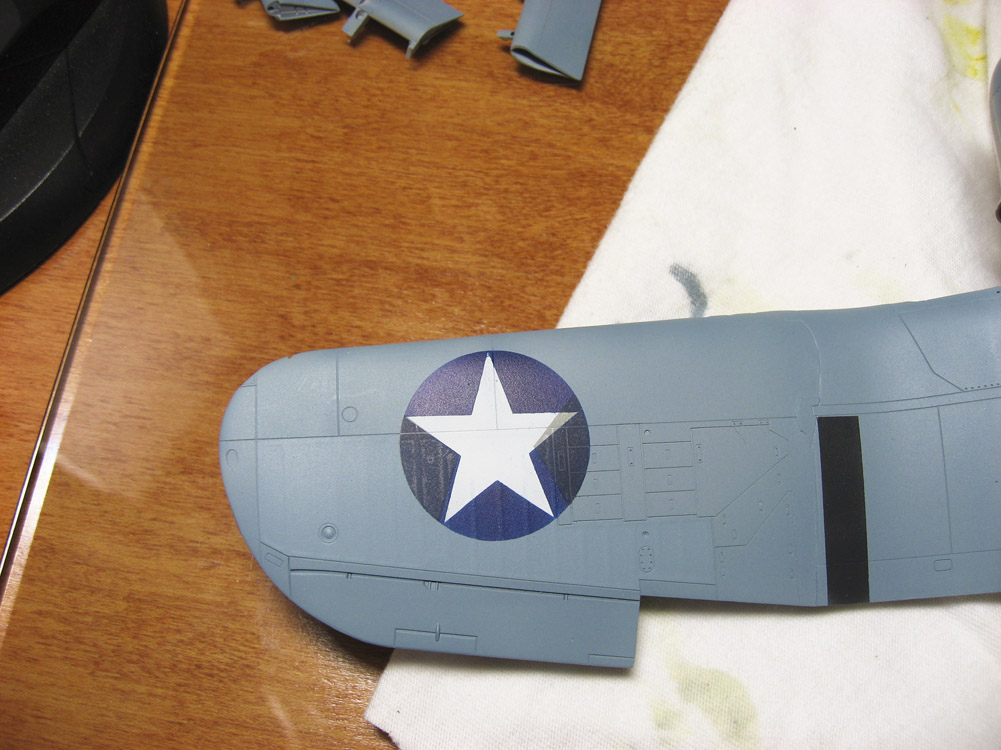
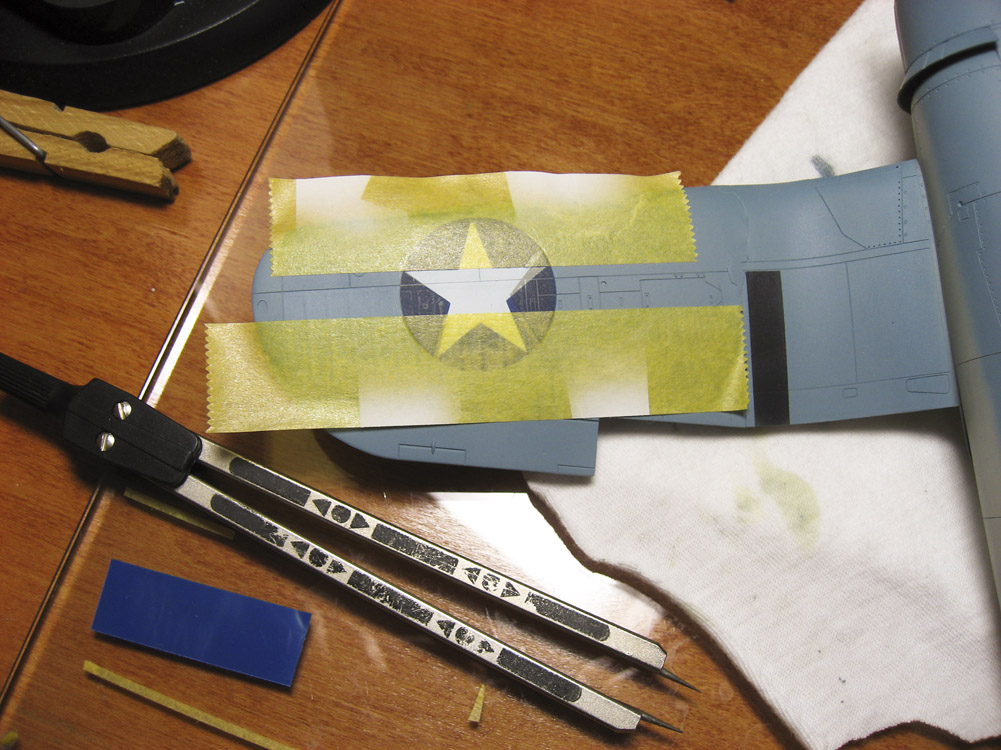
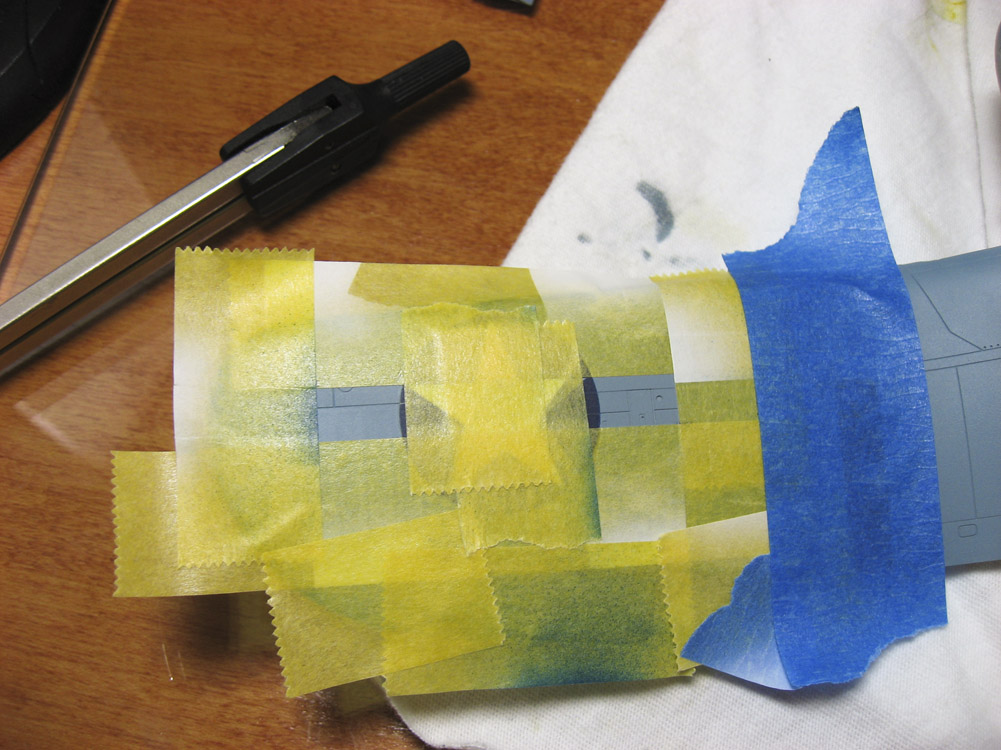
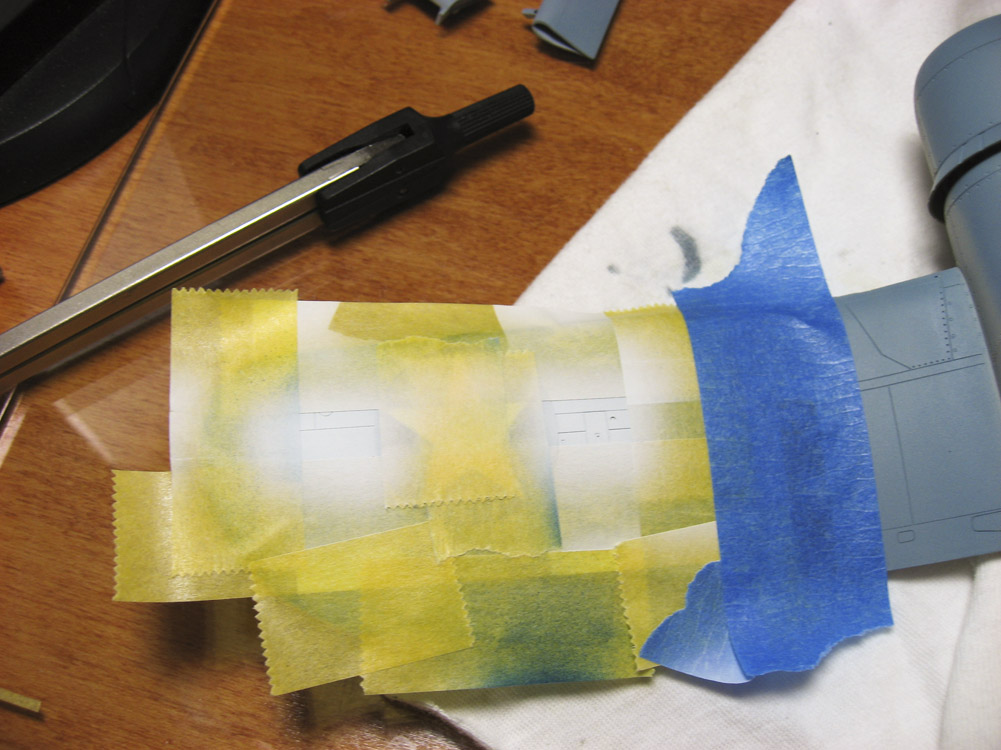
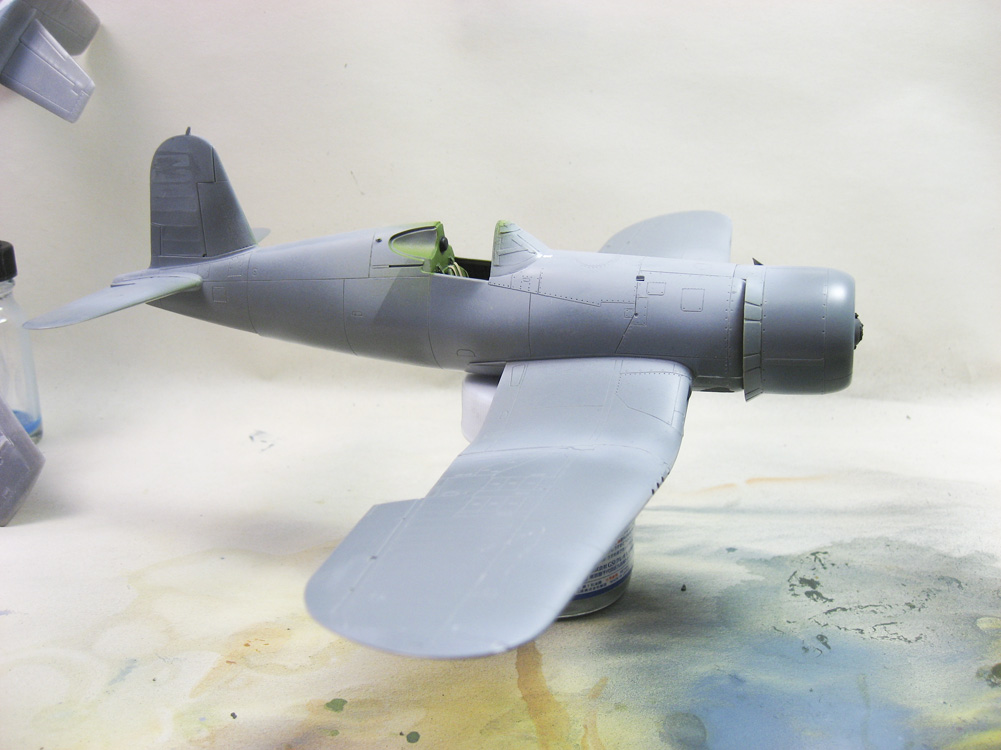
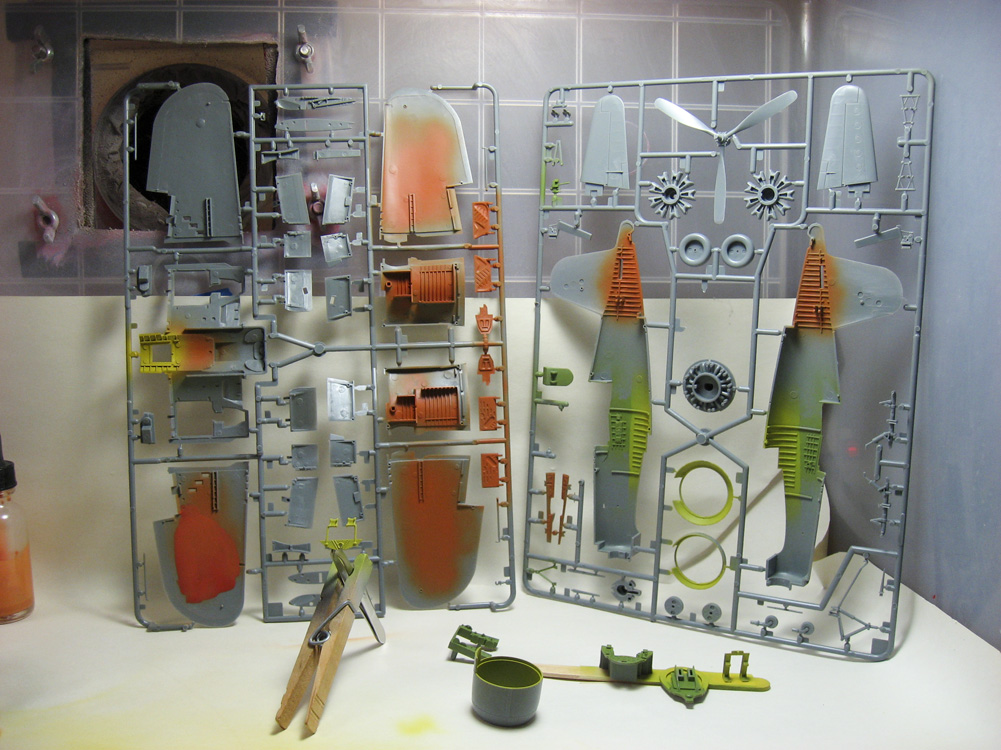
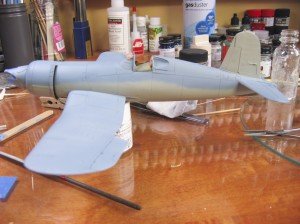 I’m building this as a Marine Corps bird. Before, and during the early parts of, WWII, Marine squadrons would be made up of old aircraft that the Navy had already used to death, or aircraft that the Navy didn’t want. After the Corsair had difficulties with carrier qualifications — stiff landing gear, bad visibility over the nose, and it’s just a HUGE aircraft — they sent them on to the Jar Heads. The aircraft’s issues didn’t affect shore-based use at all, and the Marines proved them to be such an excellent plane that the Navy resolved the carrier handling issues and eventually began to ship Corsair squadrons on carriers.