Location, location, location

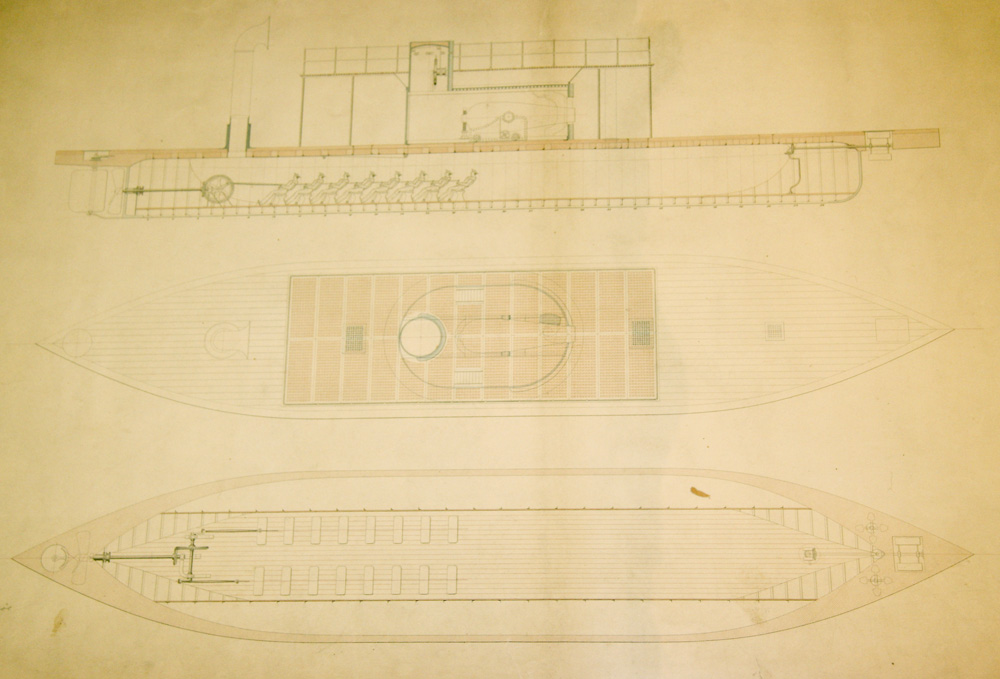
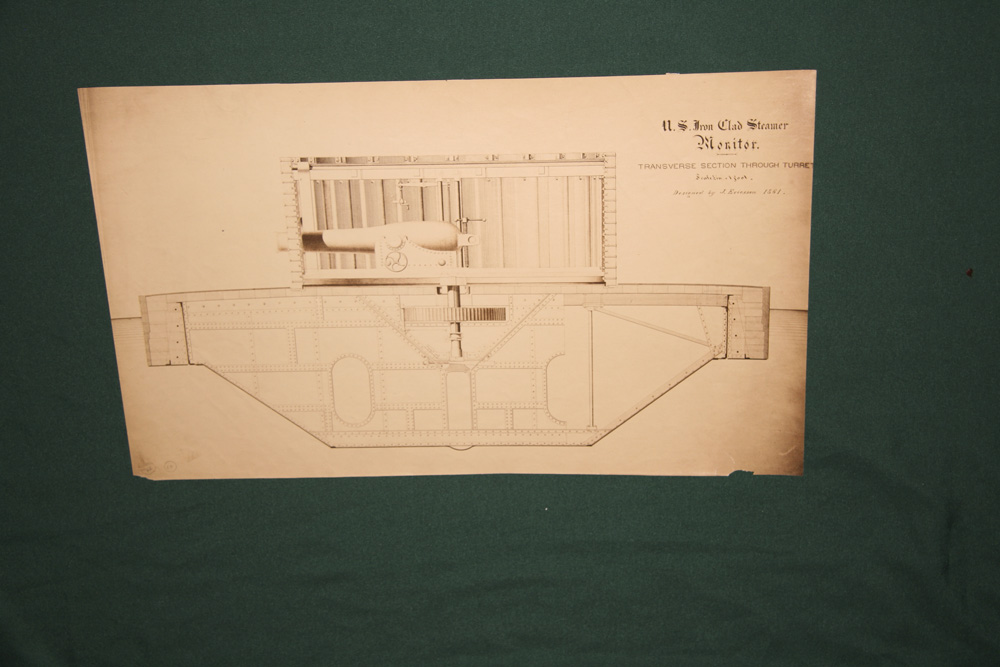
I’d lived in Hoboken for a half-dozen years before I realized that Stevens Institute of Technology, right down the road from where we live, has a collection of original USS Monitor drawings.  It took a bit longer for me to get it together and query the school about visiting to view the plans.  Since then I’ve been going through their original letters and log books on the Stevens Battery, looking for elusive drawings of that cursed ship.

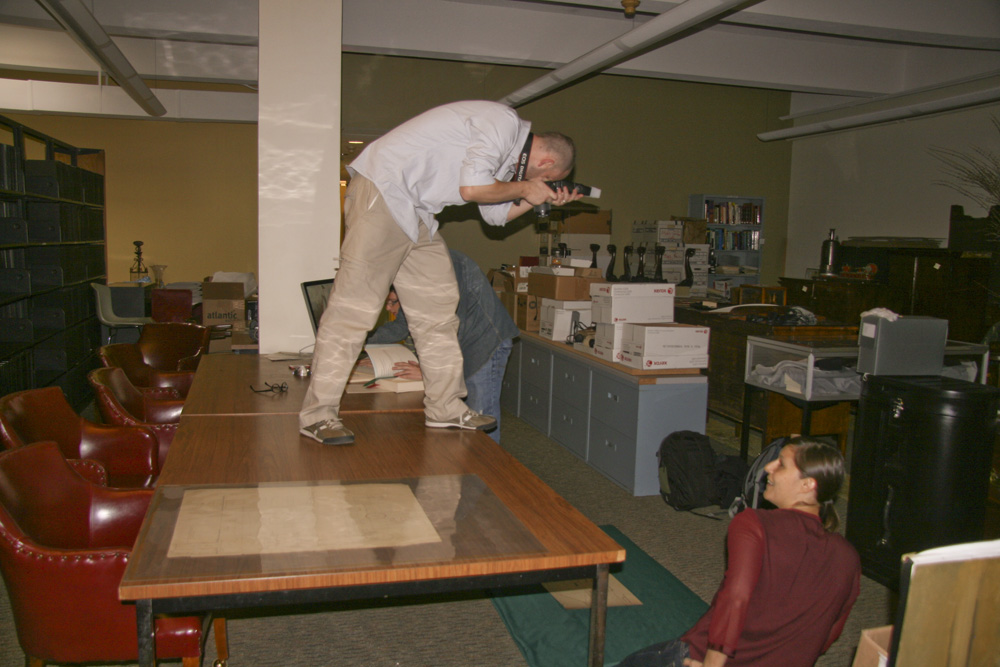
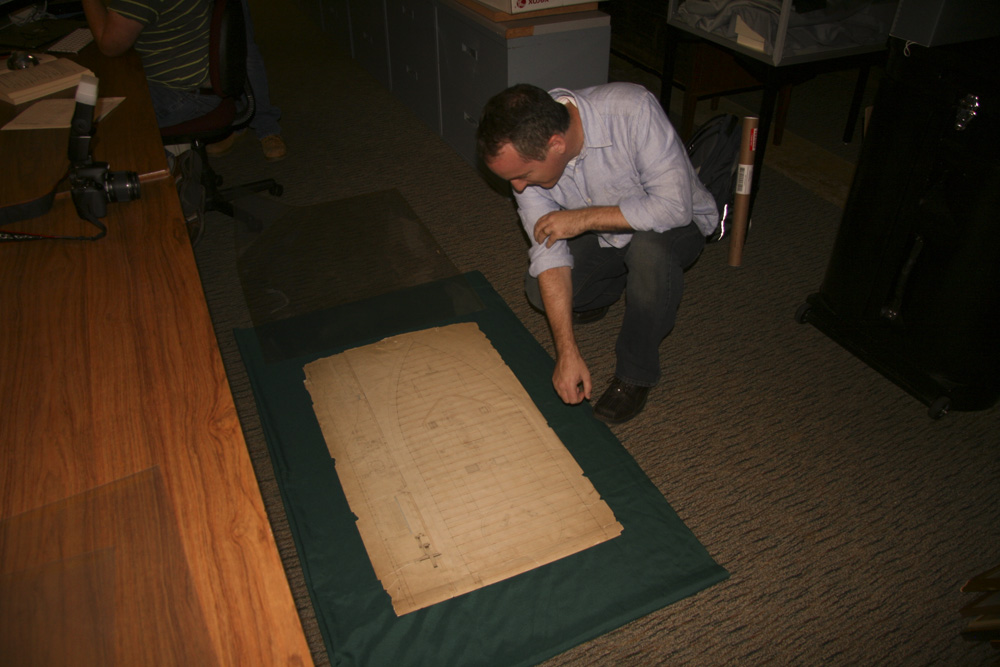
Yesterday, though, it was back to the USS Monitor, as I helped staff, students, and another volunteer, pull all of the drawings and begin photographing them.  Our photos are mere reminders of what is there, and their present condition, before they are to be packed up and sent to the Mariner’s Museum in Newport News, VA, for full digitizing, so that others can see what is there.  And there are some amazing items: several drawings done in pencil by Ericsson himself, two plans that were obviously used in the machinist shop as they’re covered with fingerprints and spots of oil and dirt, and two color inked drawings of what appear to be Swedish gunboat prototypes that Ericsson designed and drew.

I’m really looking forward to finishing up the project and getting the plans to the Mariner’s, and I’m really hoping we’ll find some more cool stuff in the process.
The Battle of Antietam: September 17th, 1862

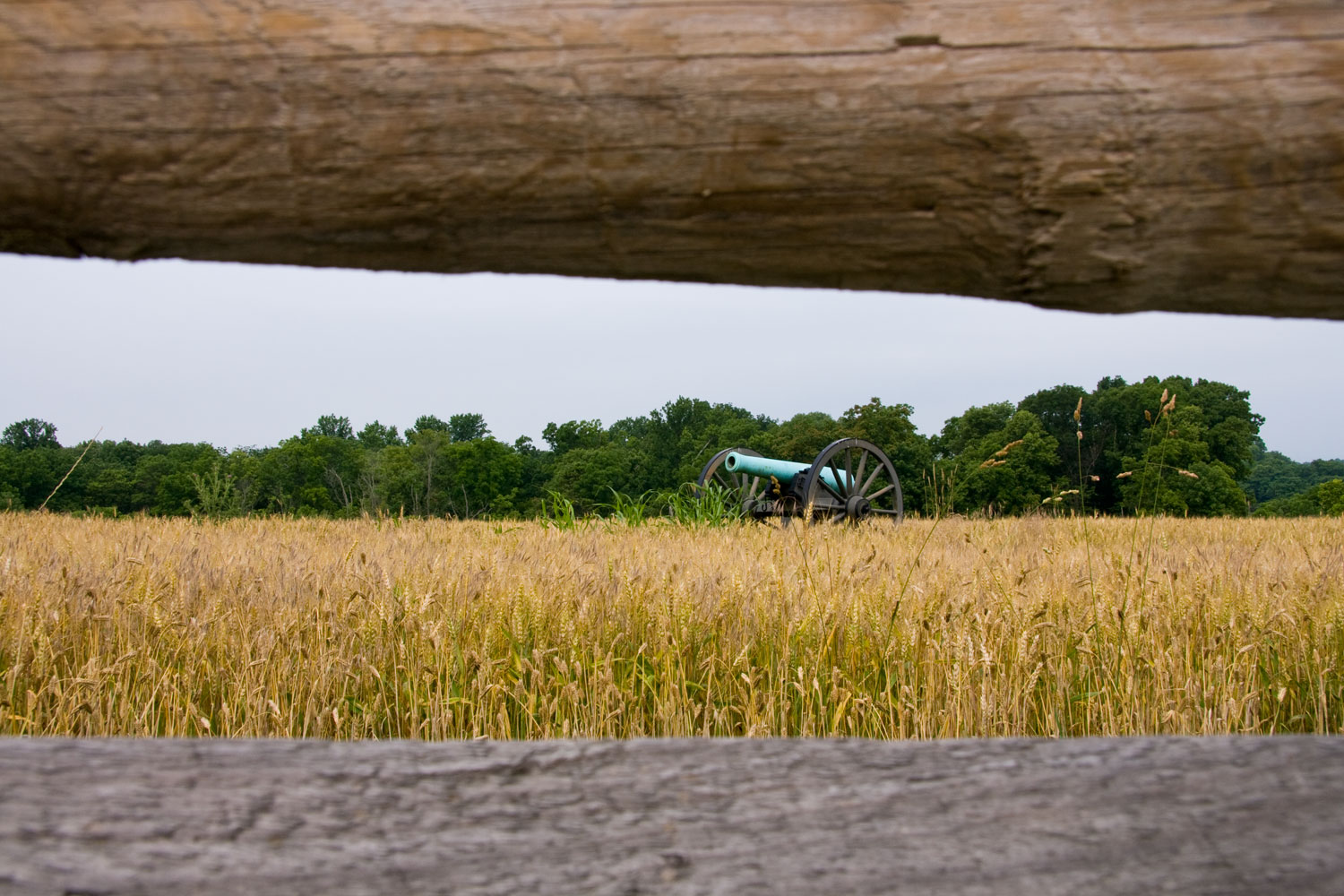
Wars are about attrition.  They start out with patriotic slogans, promises to protect those who can’t protect themselves, or the notion of righting horrific wrongs, but the series of battles themselves come down to attrition: each side kills as many of the other side until one has lost too many lives or they’ve expended all of their resources in the contest, and they then surrender.  That’s it, and it’s rarely more evident than in the Civil War (although World War I has my vote for the most effective campaign to thin humanity’s population), and there’s no greater monument to the loss of life in the Civil War than the Battle of Antietam.

Following the Battle of South Mountain, Union General McClellan had the Confederate armies on the run.  Continue reading

Battle of South Mountain: September 14th, 1862

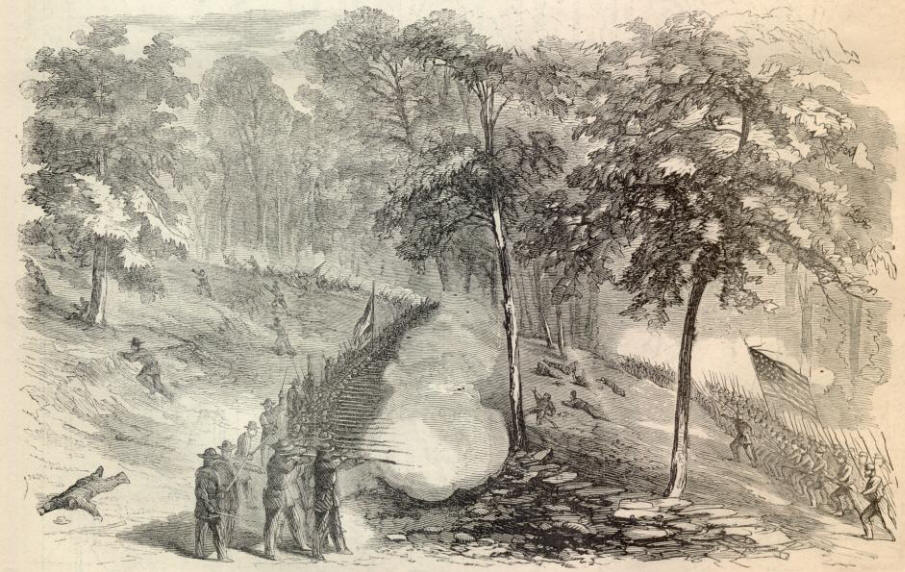
The Battle of South Mountain is obscured and ignored by history, so much so that it’s difficult to write about it.  The reason to bring it up in discussion of the Iron Brigade is that they earned their permanent moniker during the battle.  While that happened, men fought there, died there.  No small skirmish — large portions of both the Union and Confederate armies engaged throughout the day of September 14th in and around the three mountain passes named Fox’s, Crampton’s and Turner’s gap – the battle claimed over 2300 Union and 2600 Confederate casualties.

Unlike Brawner’s Farm, Antietam, or Gettysburg, Continue reading

USS Chickasaw Part 6: Sheeting

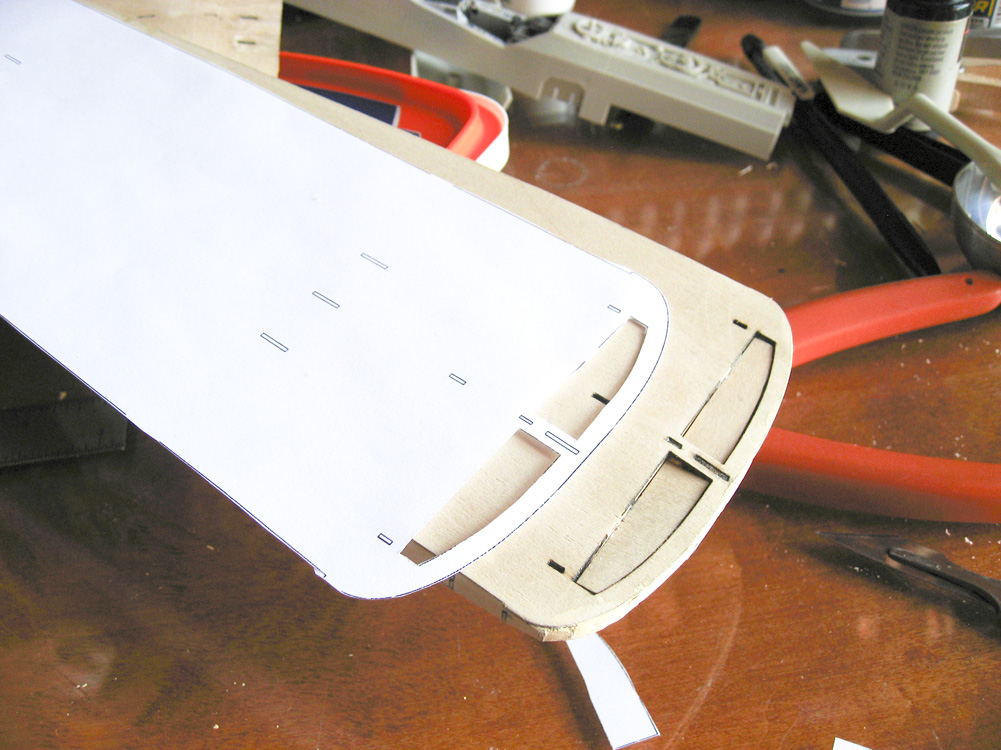
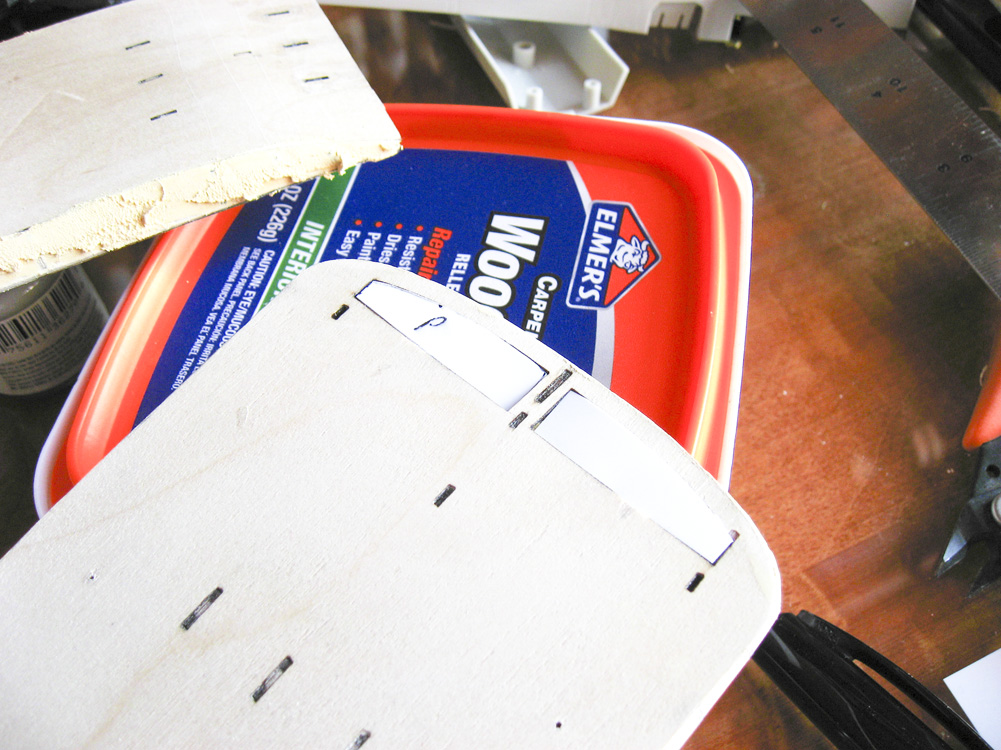
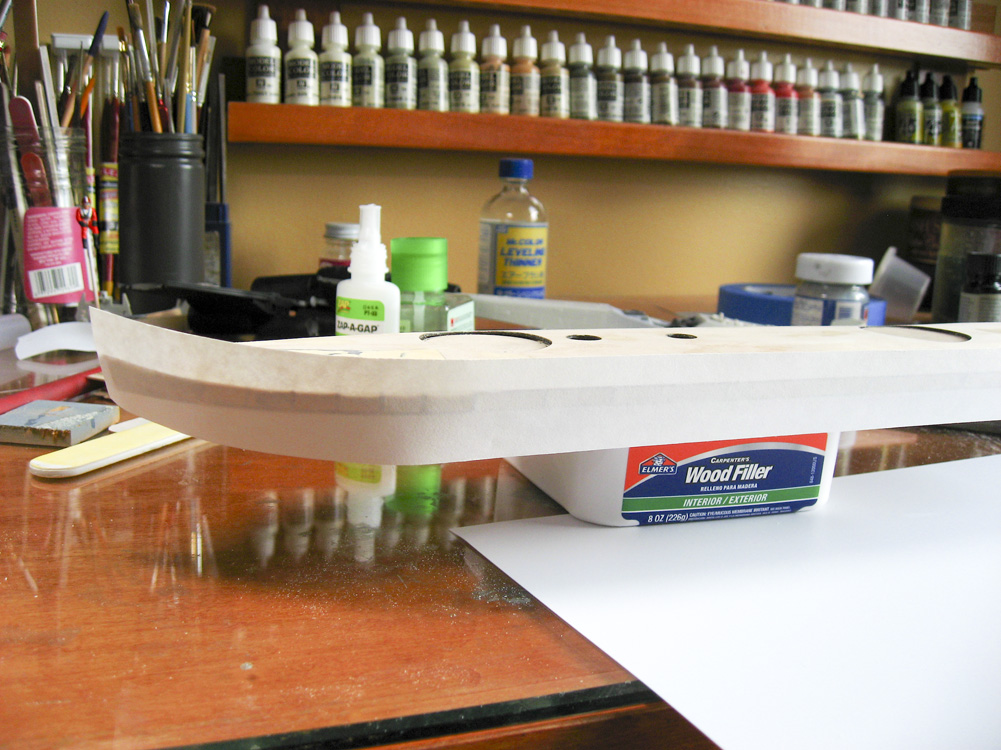
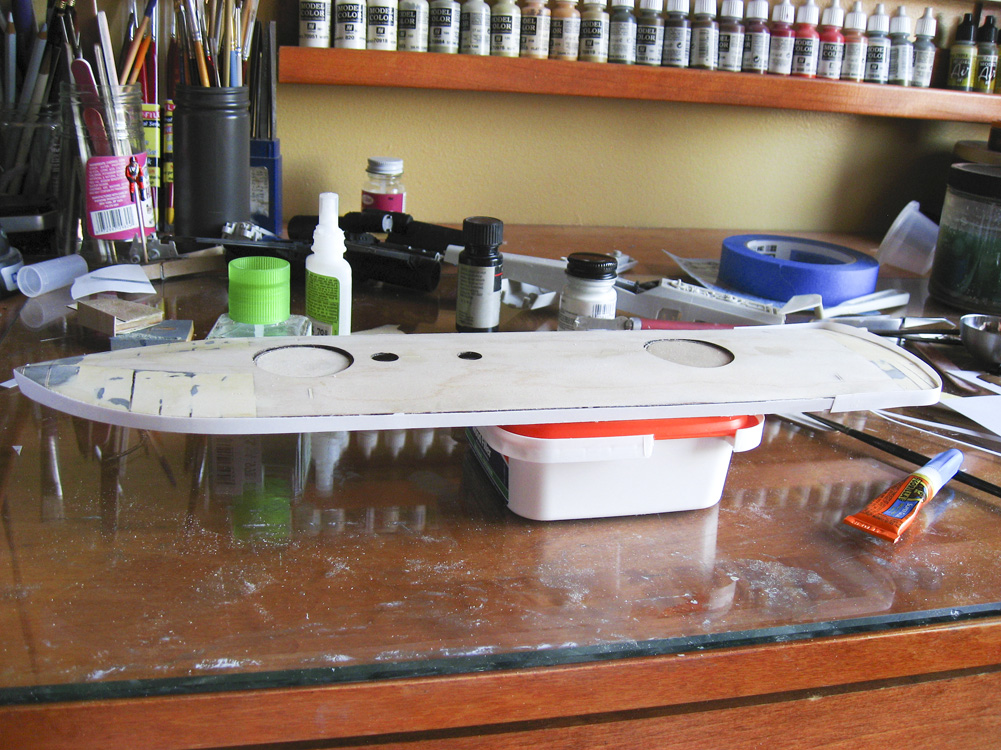
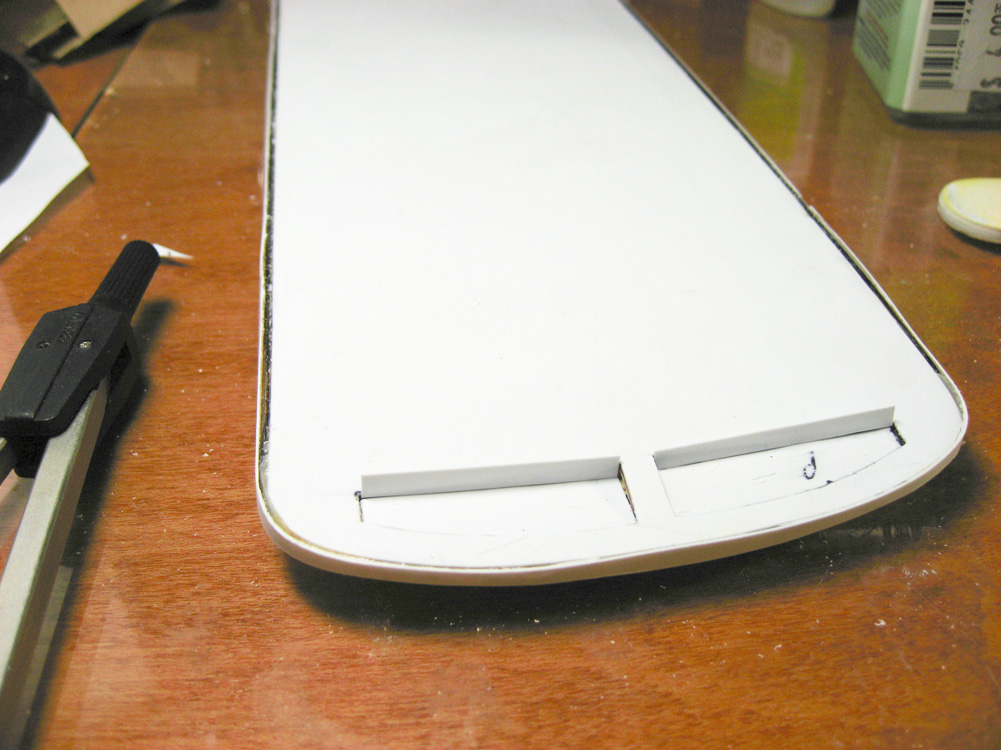
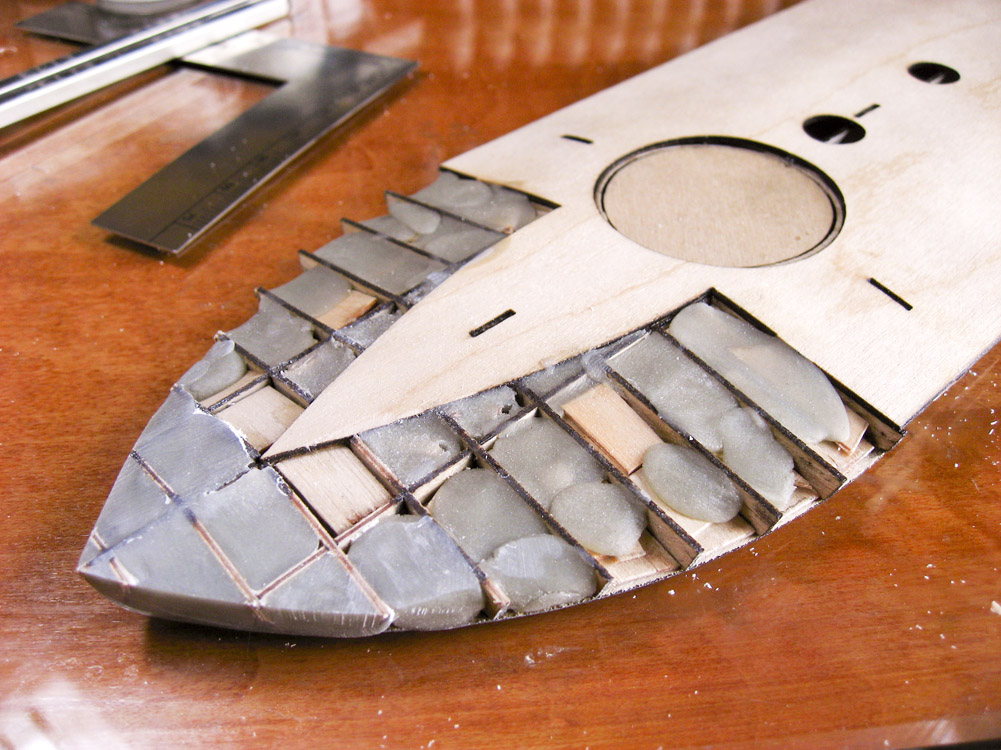
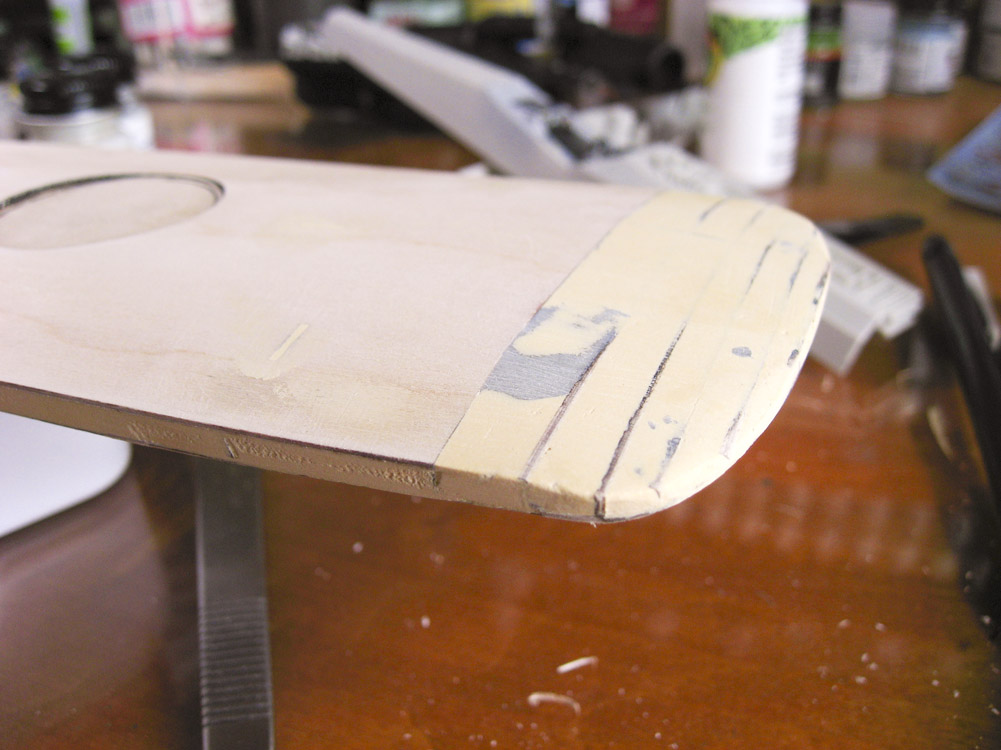
Little slow on the build lately.  Work got busy, came down with a cold, and my writing has taken an uptick lately as I work on some novel edits.  Another delay came from spending time in testing glues with styrene sheeting and the plywood/putty surface.  Gorilla Glue, surprisingly, didn’t work at all.  Plastic pulled off like it had been stuck on with Scotch tape.  The Gorilla Super Glue Impact-Tough (formulated with rubber particles for elasticity), worked the trick, though, and it holding like nobody’s business.  Progress photos below.  I hope to have everything sheeted and ready to prime and scribe within a week or so.

Battle of Brawner Farm: August 28, 1862

Yesterday evening, August 28th, I sat on our deck in Hoboken, New Jersey, right before sunset.  I watched the sun sink below the horizon and thought about what was kicking off down in Virginia, 150 years ago.  The battle at Brawner Farm began just before sunset, at about 6 p.m. in 1862, but now with time zones and other factors, it was nearly 8 p.m. here by the time the sky had turned to a gradient of orange upwards to dark blue, and everyday objects replaced their hard lines with shadows.

Brawner Farm was the first battle for the Union unit known as The Iron Brigade, a unit I’ve developed a particular fondness for.  They didn’t have that name 150 years ago at Brawner Farm, though, not yet.  They’d earn that at the battle of South Mountain in less than a month.  On August 28th, they were known as the Black Hats.  The unit was made up of entirely “western” soldiers, men from Wisconsin and Indiana; the only brigade in the eastern theater to be made up so.  In order to further distinguish them, their commander John Gibbon outfit them in the regular army uniform of tall black hats, long blue frock coats, and even dress leggings.  Imagine going into battle wearing that.

The unit was formed in late 1861, Continue reading

USS Chickasaw Part 5: Filling In

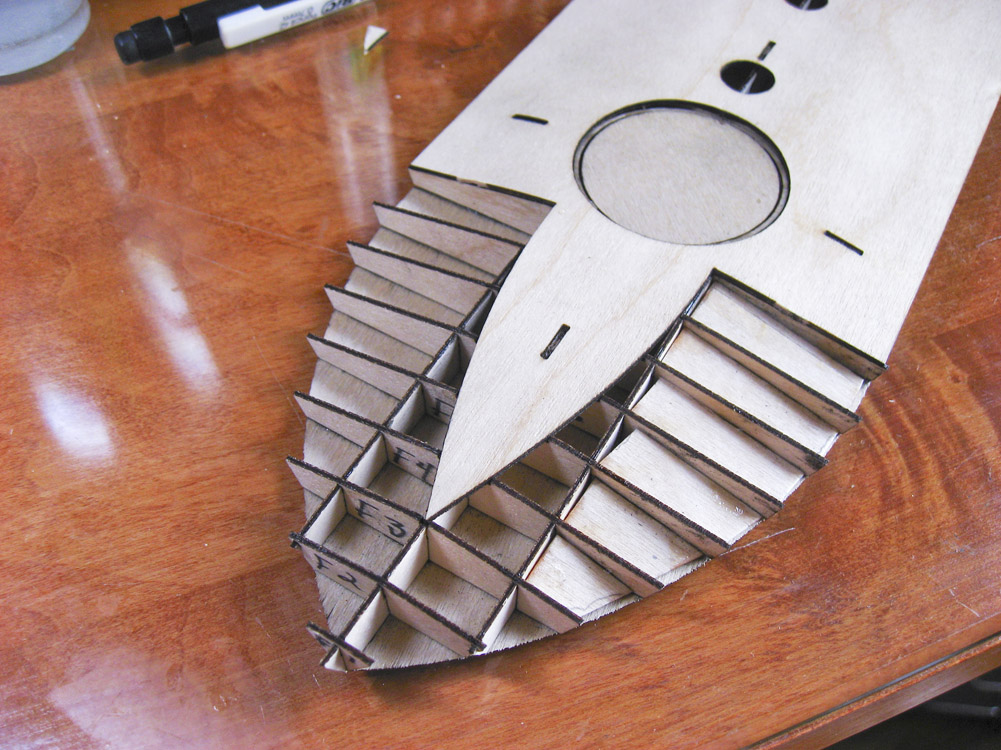
Once the ribs were filled in as much as I could with scrap wood, I switched to epoxy putty, Aves Apoxie Sculpt to be precise.  I used this at the extreme bow where shaping is crucial.  Apoxie Sculpt sands a lot like resin once set up, but a little more dense.  It sands well, takes an edge like crazy (I’m convinced you could make a knife blade with this stuff and get it razor sharp), and is great for shaping and detailing.  Once that was done, it was on to the wood putty.

I took delivery of styrene over the weekend, all the way down to .005″.  Not much thicker than paper.  It’s going to be fun figuring out what type of adhesive to attach this stuff with!

USS Constitution’s most famous fight

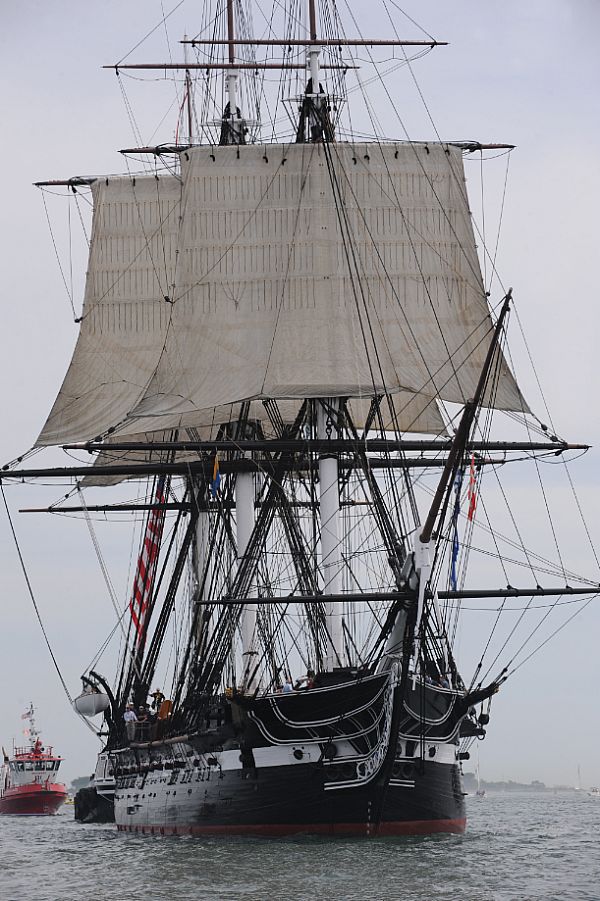
This past Sunday marked the 200th anniversary of USS Constitution’s victory over the British frigate HMS Guerriere.  During the battle Constitution earned her nickname “Old Ironsides” when enemy cannonballs bounced off of her oak hull.

In honor of the event, the old ship sailed under her own sail power again on Sunday, making it only the second time she has done so in the past 116 years.  It takes a lot of upkeep to keep a modern boat in good sailing shape, but make that boat 200+ years old, construct her of wood, and soak that wood in water for two centuries, and you can imagine how much of an achievement it was to get the old girl underway once more.

USS Constitution and her battle with the Guerriere was one of those major naval milestones for the United States (much like USS Monitor’s encounter with CSS Virginia during the Civil War), and after a visit to the ship herself in Boston when I was a child, it was a major formative milestone for me as well.  Continue reading

USS Chickasaw: Part 4 Testing Methods

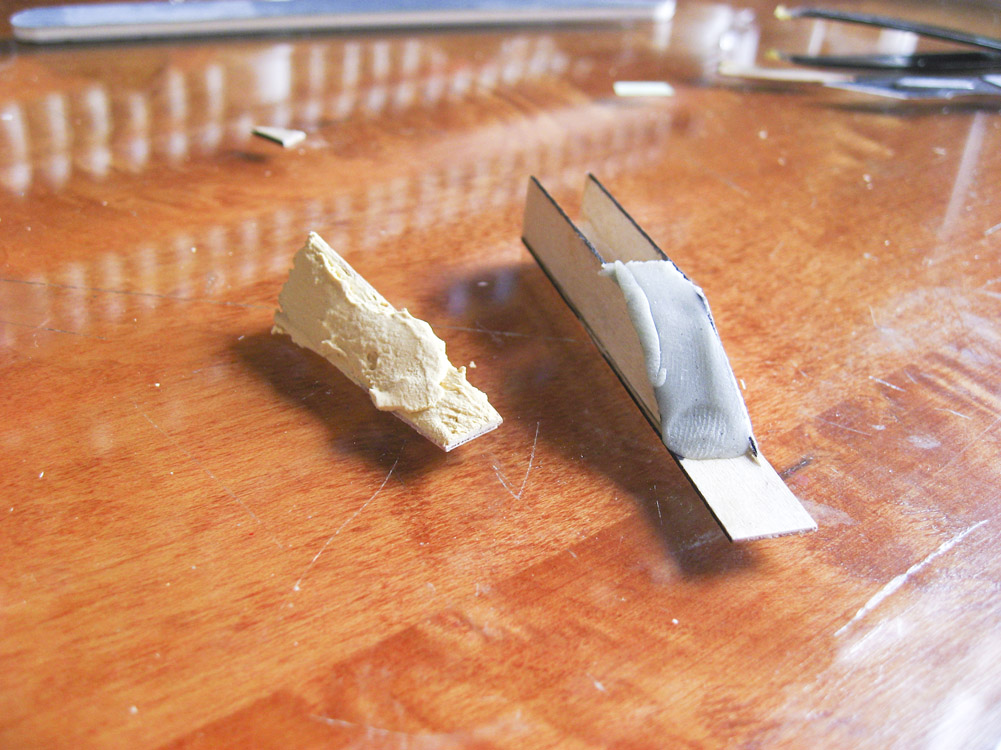
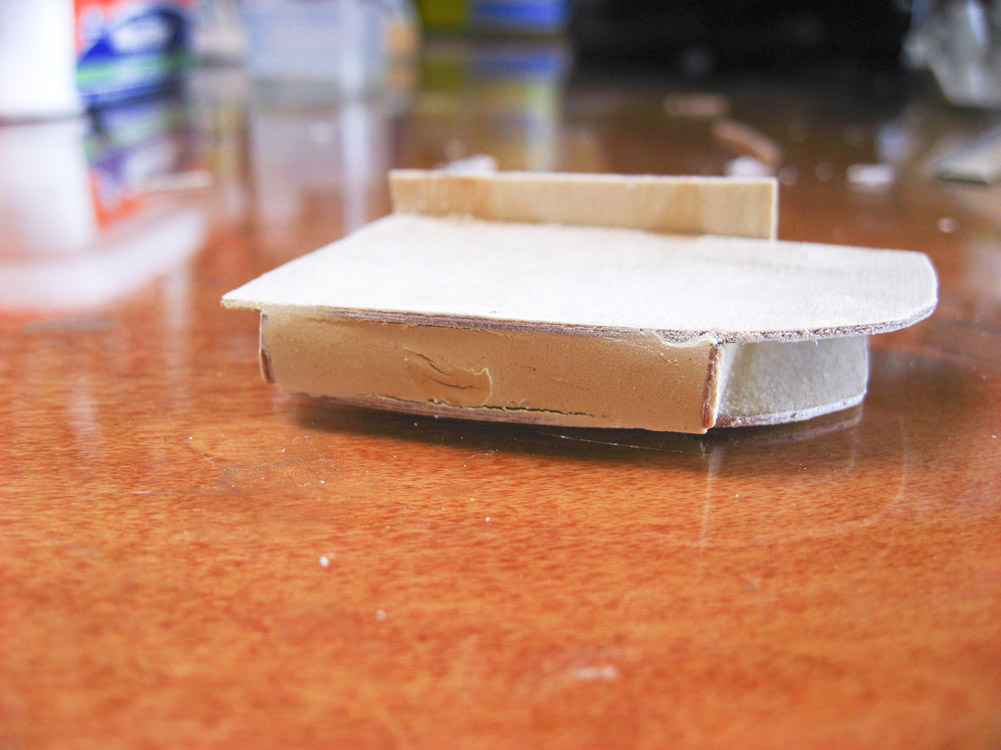
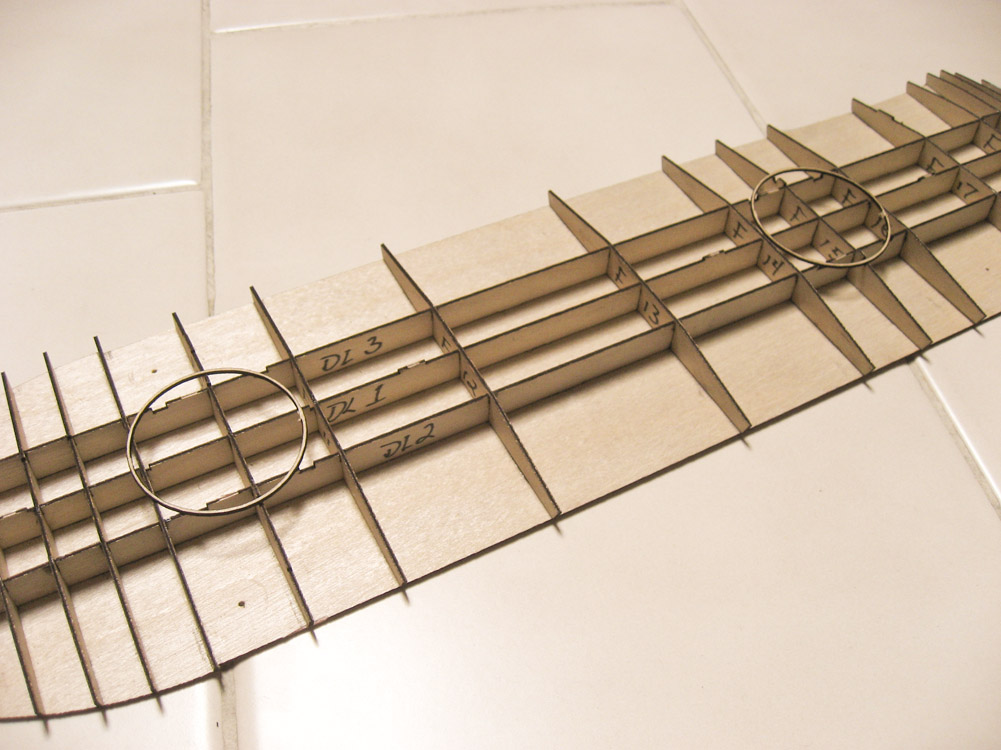
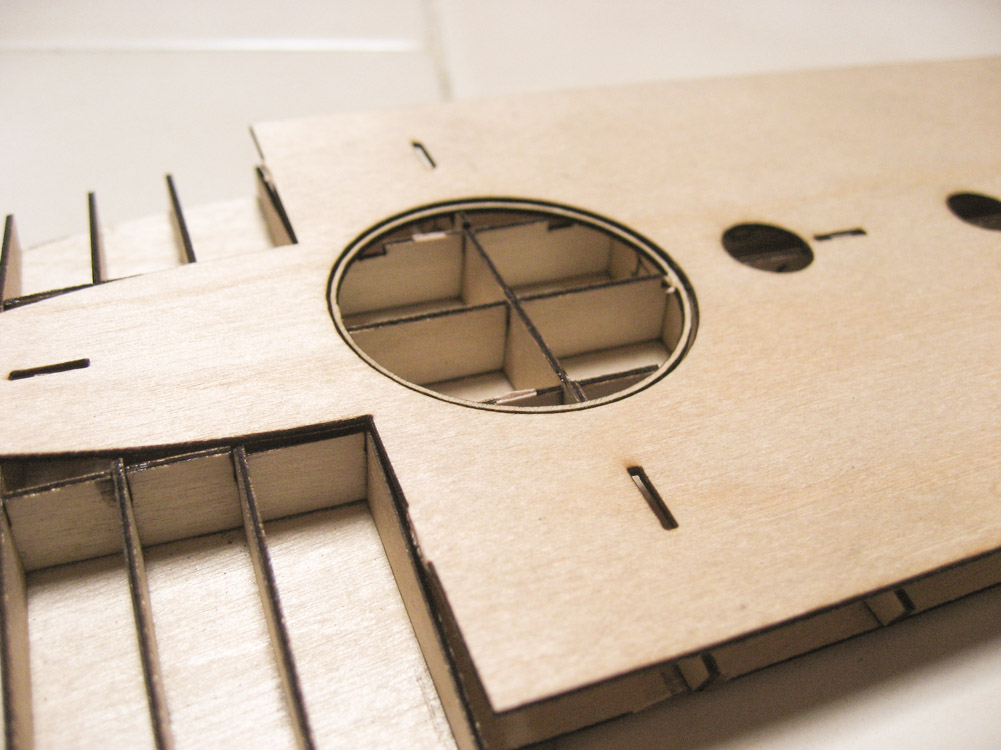
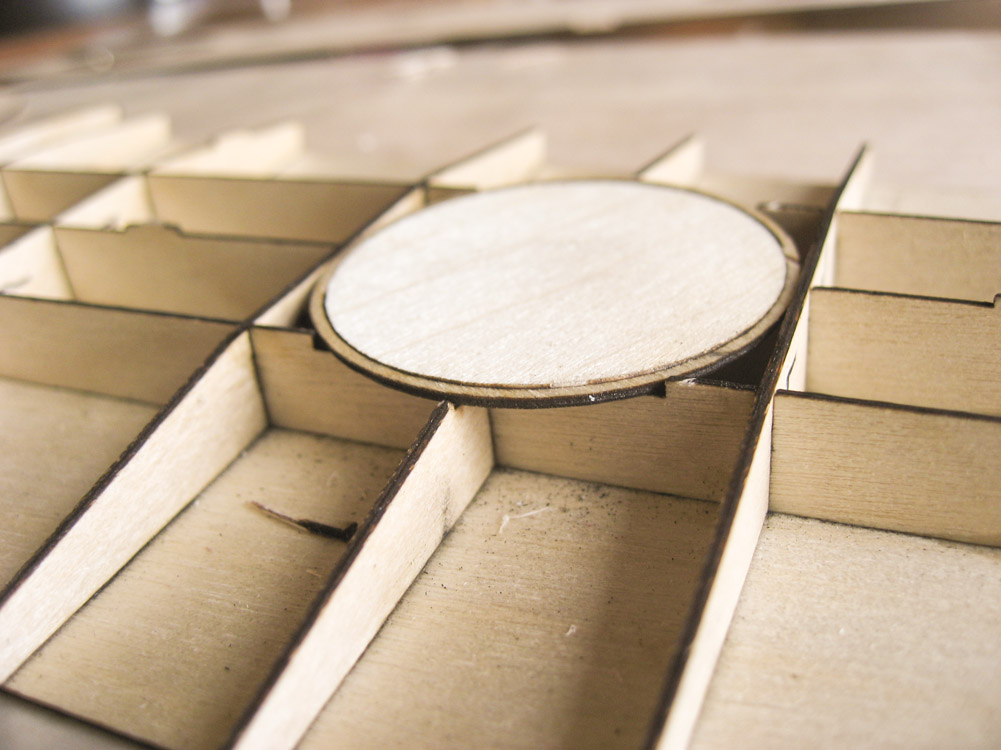
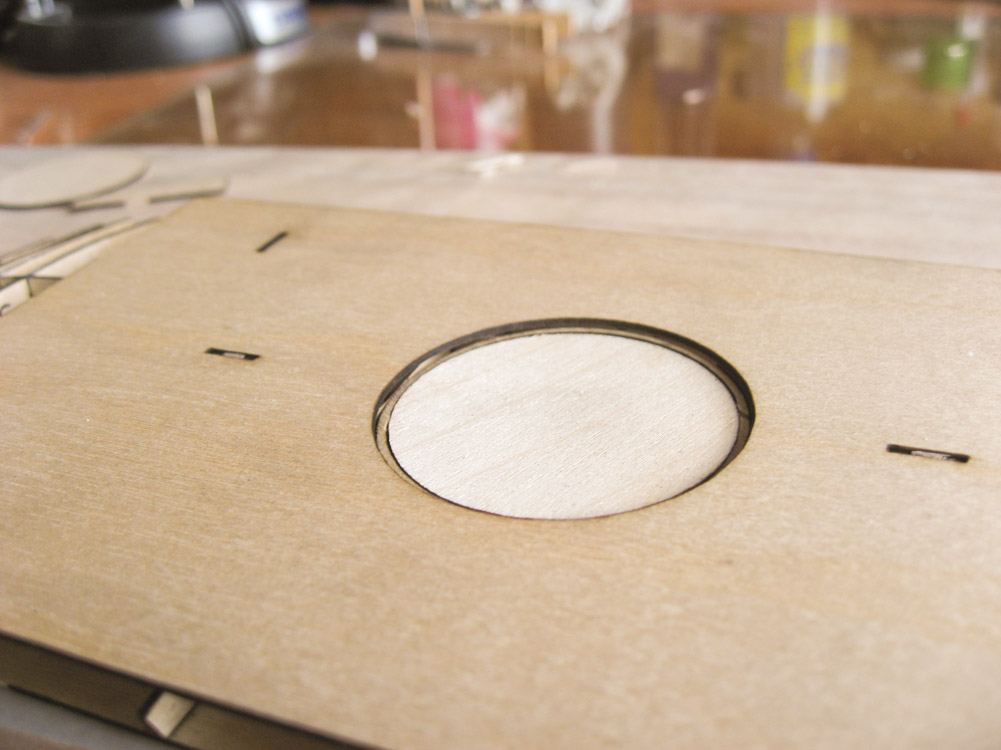
One of the more interesting and enjoyable, and often frustrating, parts of trying something new is figuring out exactly how to do it.  Since I’ve got Chickasaw framed up, Dean and I have discussed it and I realized that I do not need to sheet the open structures.  The model was designed to have the voids filled and then detailed.  This is possibly a hold-over strategy from when we were going to have this cut out of styrene (neither of us can remember at this point!) and it would have worked well with that approach, but for plywood it doesn’t.  I need a layer of styrene to work with for scribing, detailing, etc.  Therefore, I’m going ahead with filling the open structures and I have ordered some .005 and .010 thick styrene from Evergreen to use for sheeting; that’s as thin as they make it.

So I need to test how to best fill the openings.  My initial thoughts were expanding foam.  A quick Google search of R/C and other modeling sites returned phrases like “exploded the rib assembly” and “still expanding after two weeks!” and talked me out of that real quick.  Below are some of my test pieces that I built from scrap to do some experiments:

USS Chickasaw: Part 3

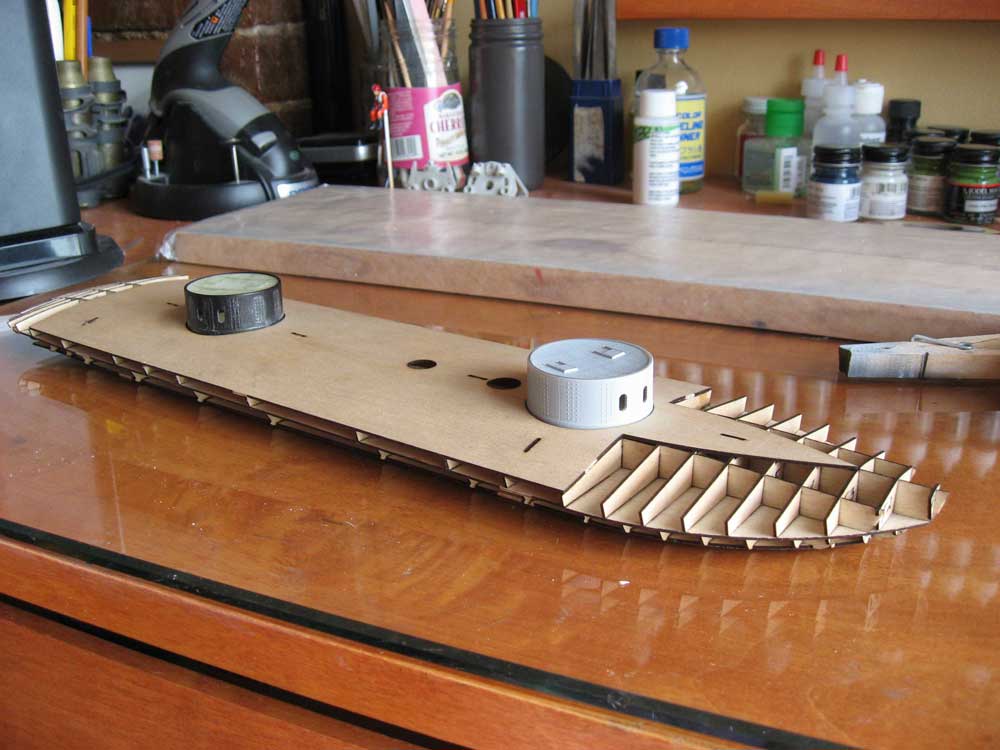
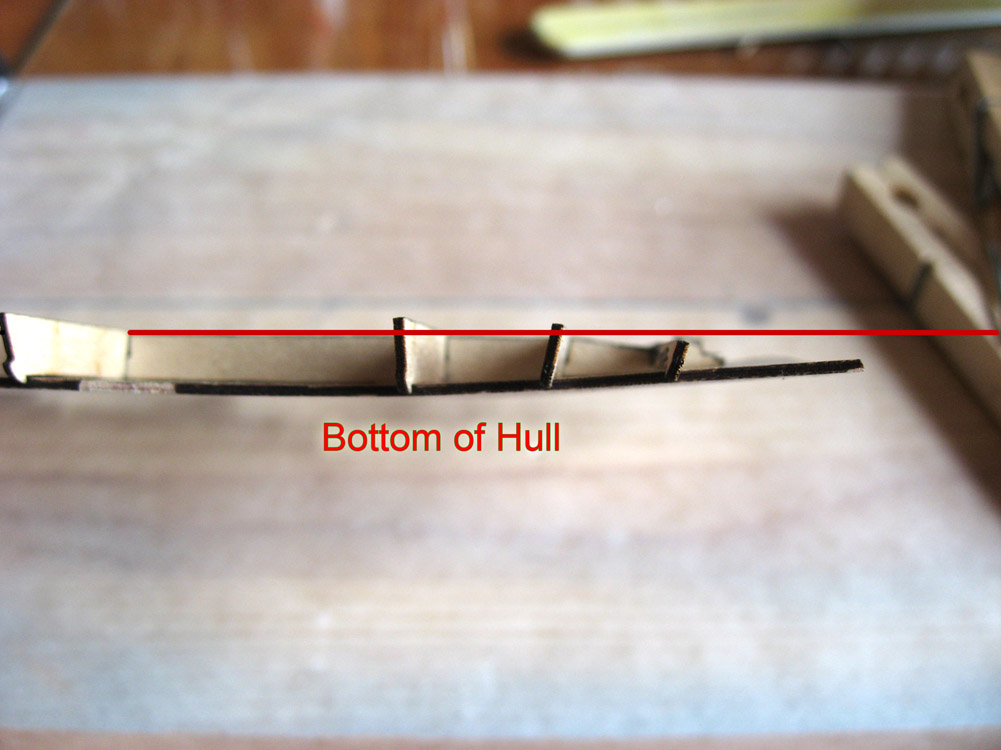
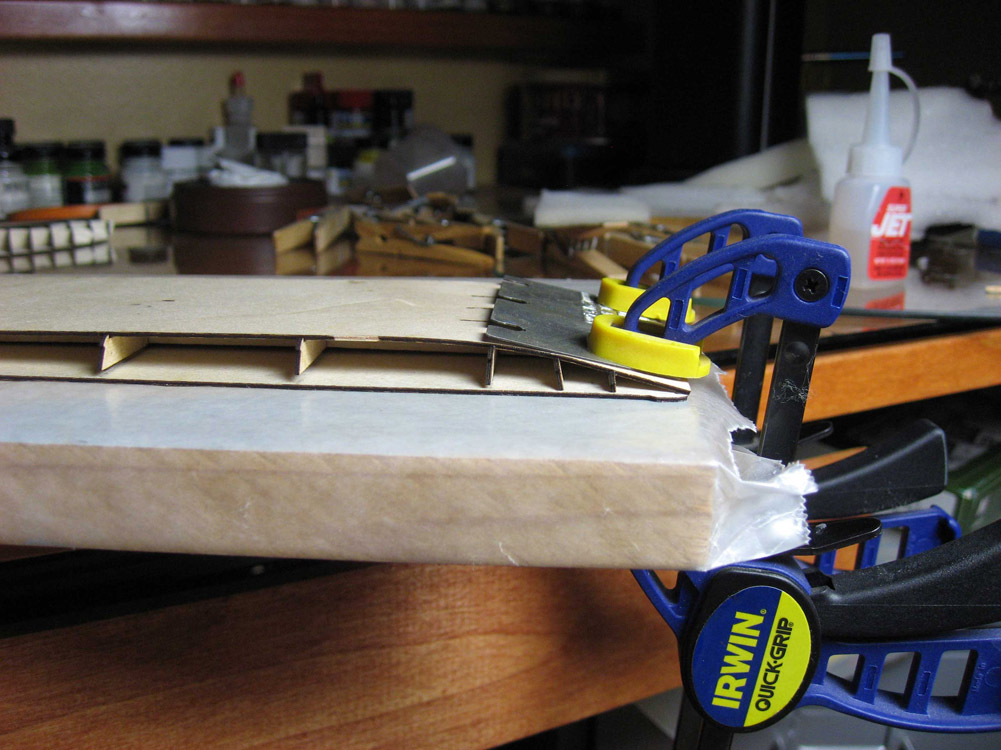
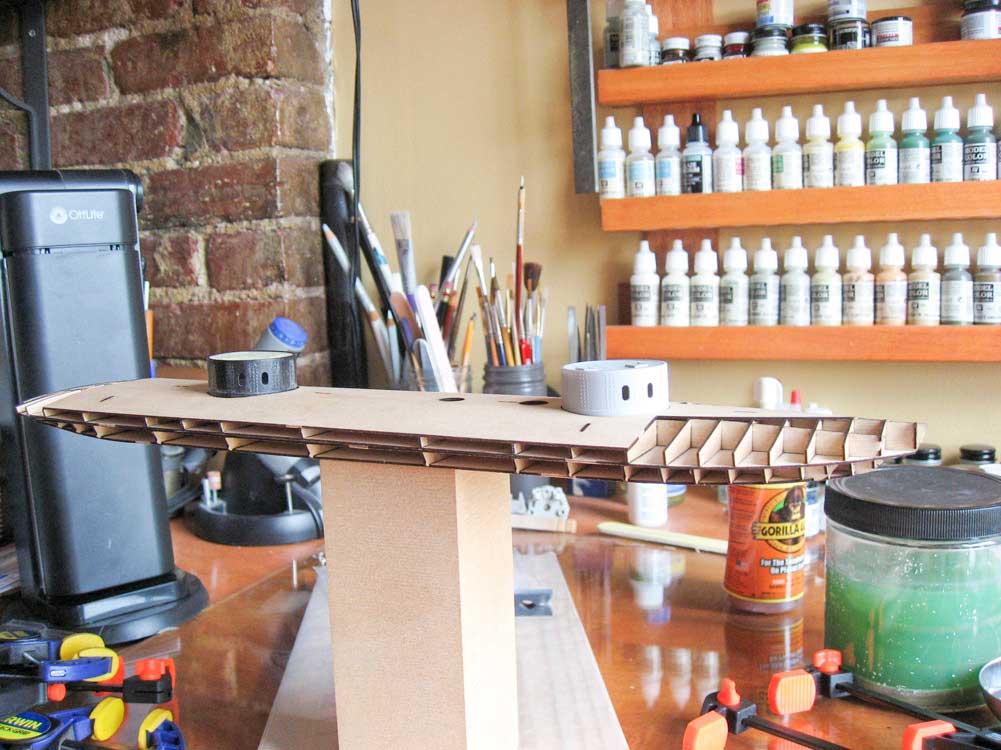
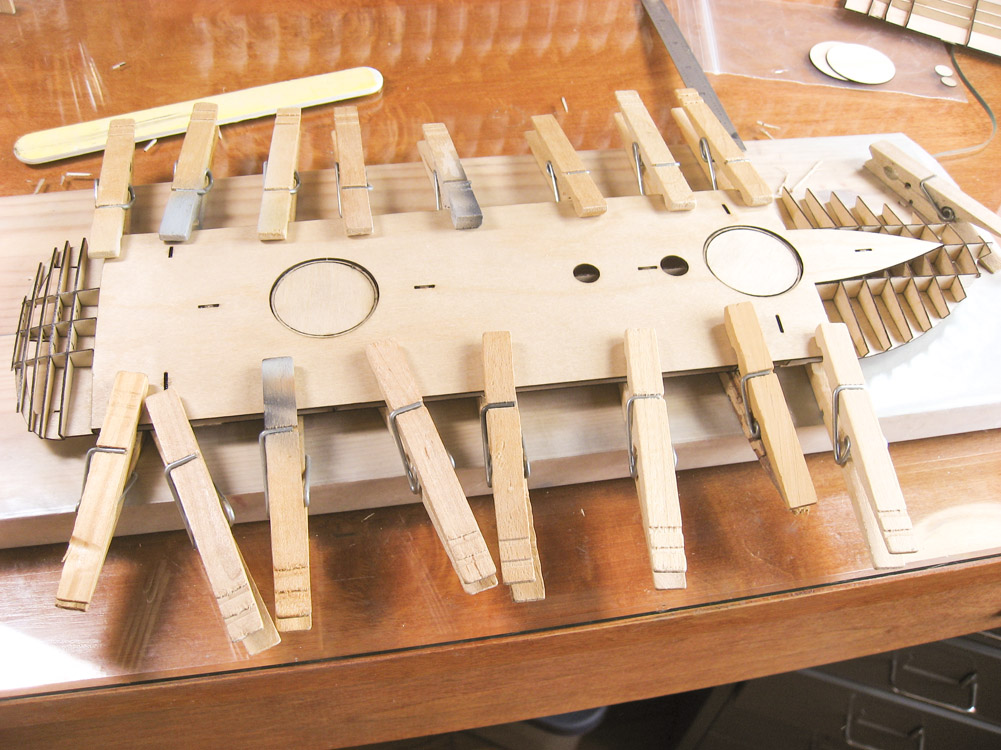
I’ve all the framing done and the major sheeting applied.  I have had issues with wood warping, as annotated below, but I’ve mostly been able to work around it.  This is still going together very well, and even though this is the first wood model I’ve built… well, ever… it’s enjoyable.

The final photos show the mockup with the 3D printed turrets.  I’m still deciding if I want to use these as-is for this build, or if I want to try my hand at casting them in resin.

USS Chickasaw: Part 2

I’ve been sidetracked on another project (that I’ll post about next week) and Chickasaw has languished on the shelf.  I freed up some bench space, though, and here we go…