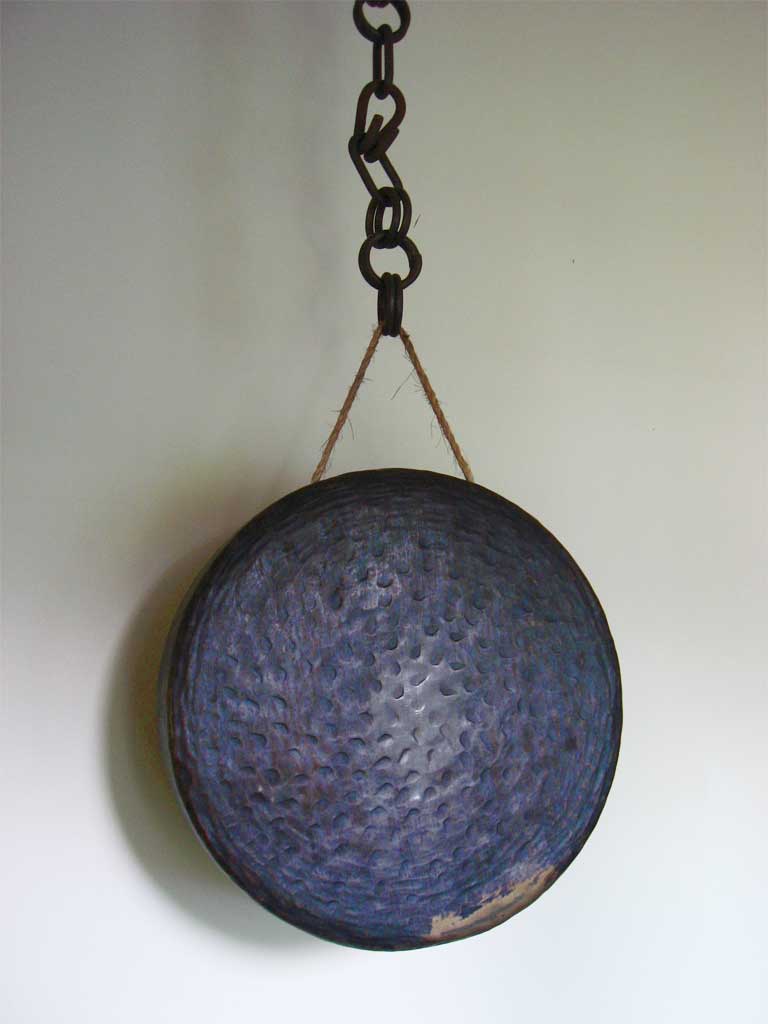
 I’ve been doing a home improvement project these past few weeks, and the process has got me to thinking about tools. That Black and Decker mouse sander; it looked like a toy when my parents gave it to me a few years back, but that thing has saved me so much time and energy. Laser levels, jigsaw, drill press. I’ve used them all over the past month. And when it comes to modeling, forget about it. I’ve got enough files, knives, and airbrushes to populate a small hobby shop.
Ever since reading King’s “On Writing”, I tend to think of writing habits and tricks as tools. He builds on the whole metaphor of a toolbox throughout much of that text. I won’t go into the details because I think most writers are at least aware of that book, but if you haven’t read it do yourself a favor and pick it up sometime.
In that light, I picked up a new writing tool recently. Outlines. To me the word conjures images of small junior high school desks and desperately trying to think of a research paper topic. But, it seems that there are writers who swear by them. I prefer the so-called “organic” approach, where the writer gets an idea and some characters in an initial situation and then simply writes and sees what happens. That isn’t to say that I don’t have an idea of where my stories are going; I usually have an idea of the final scene of a story and writing becomes an exercise in seeing if I can get there. My novel started as a Coca-Cola and Fritos induced dream of the final chapter, but the path to that final scene was completely unknown to me.
As such, I’d never given outlines much thought. But then as I began to edit more and more stories, I discovered what I called the “post-outline”. I started it with my novel; took it out and did a chapter-by-chapter and scene-by-scene breakdown in outline form. I was surprised how much easier it made it for me to think about the piece and what I wanted to change in it. Everything’s right there in front of you.
“Well of course it’s right there in front of you, dufus,” some of you are saying. It’s just one of those things that never occurred to me until I actually did it for myself. It’s a great tool to be able to read through a story’s outline and move around single-sentence scene descriptions to see how they mesh in different ways. It also allows me to move around scenes, something that was verboten in my mind before this process came along – chapters were constructed as such and not to be tampered with. In the past two weeks I’ve had a major breakthough on one short story and in my novel revisions, because I now allow myself to move scenes around, because I can see the bigger picture all at a glance.
Since I discovered this for myself I have found out that it is in no way an original idea (I’m just great at re-inventing the wheel). Evidently Nancy Kress has been quoted as saying that a novel’s first draft is nothing more than a wordy outline, and at ReaderCon this year I attended a panel on storyboarding that put forward the outlining method as a good troubleshooting tool for completed pieces. The ReaderCon panel was also especially helpful with my chapter stigma. Simply don’t use them, they say. And after using the outlining method, and seeing how Dan Brown constructed “The Da Vinci Code” with what are essentially sequences of scenes and no chapters, I can see the merit.
So I have a new tool. It’s not as shiny as the airbrush I purchased last month, but hopefully it’ll be just as useful.
 Kristen and I visited
  The truth is I can’t. I don’t understand how the men there stood in lines and exchanged gunfire with no cover, can’t understand how others charged fortified positions, can’t understand what made them do it. Has the selfless part of me that believed in higher causes dulled in the past decade or so – it must have been there at one point, otherwise why would I have volunteered for the Navy? And whether that is truly the cause or not, how could I correlate my life with the lives of those men of a different age and understand them?
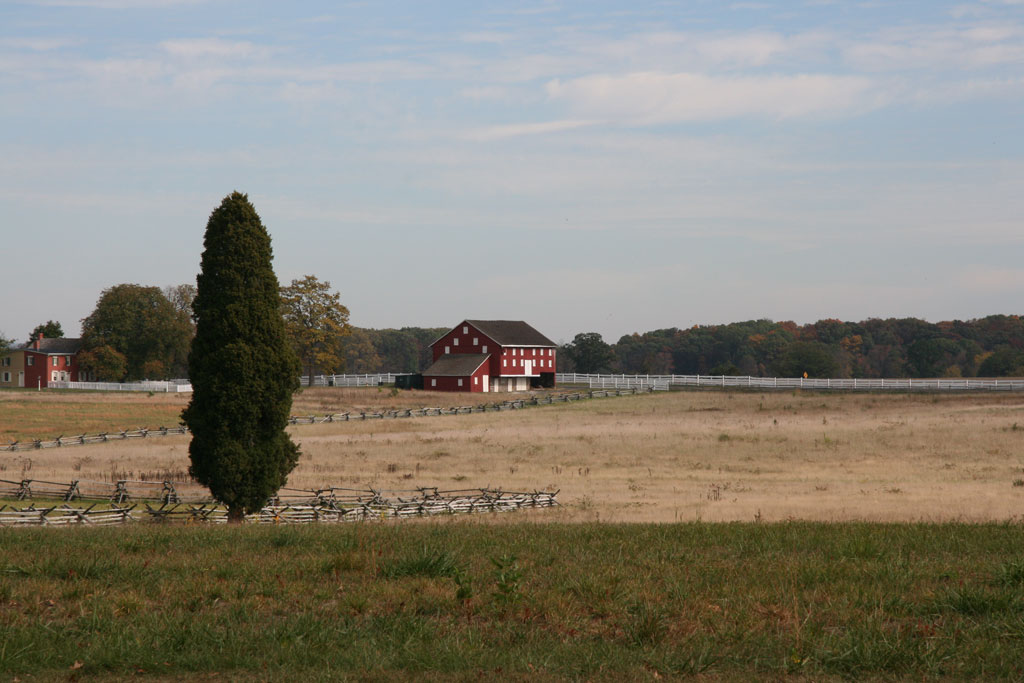
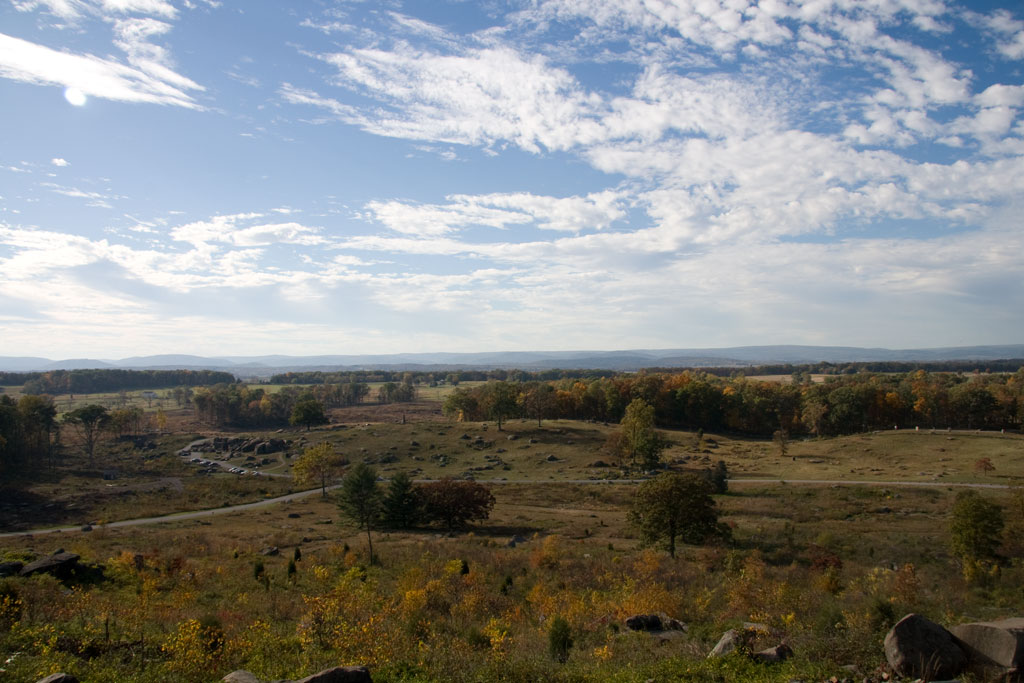



 The likes of




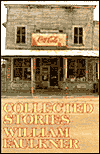 I’ve been a fan of Faulkner’s work for some time now. His body of work is such that it’s taken me years to get through a good chunk of his stories. I’ve never considered him a spec writer, even though his story “A Rose for Emily” qualifies as horror of the highest level, especially considering the era. While reading “Collected Stories” recently, I found another piece by Faulkner that delves into the realm of speculative fiction: “Beyond”. Some will probably read it and roll their eyes at what has become a common spec trope (no, I’m not saying what it is, go read it!). But, for its day, and with Faulkner’s finesse thrown in, I really enjoyed it.