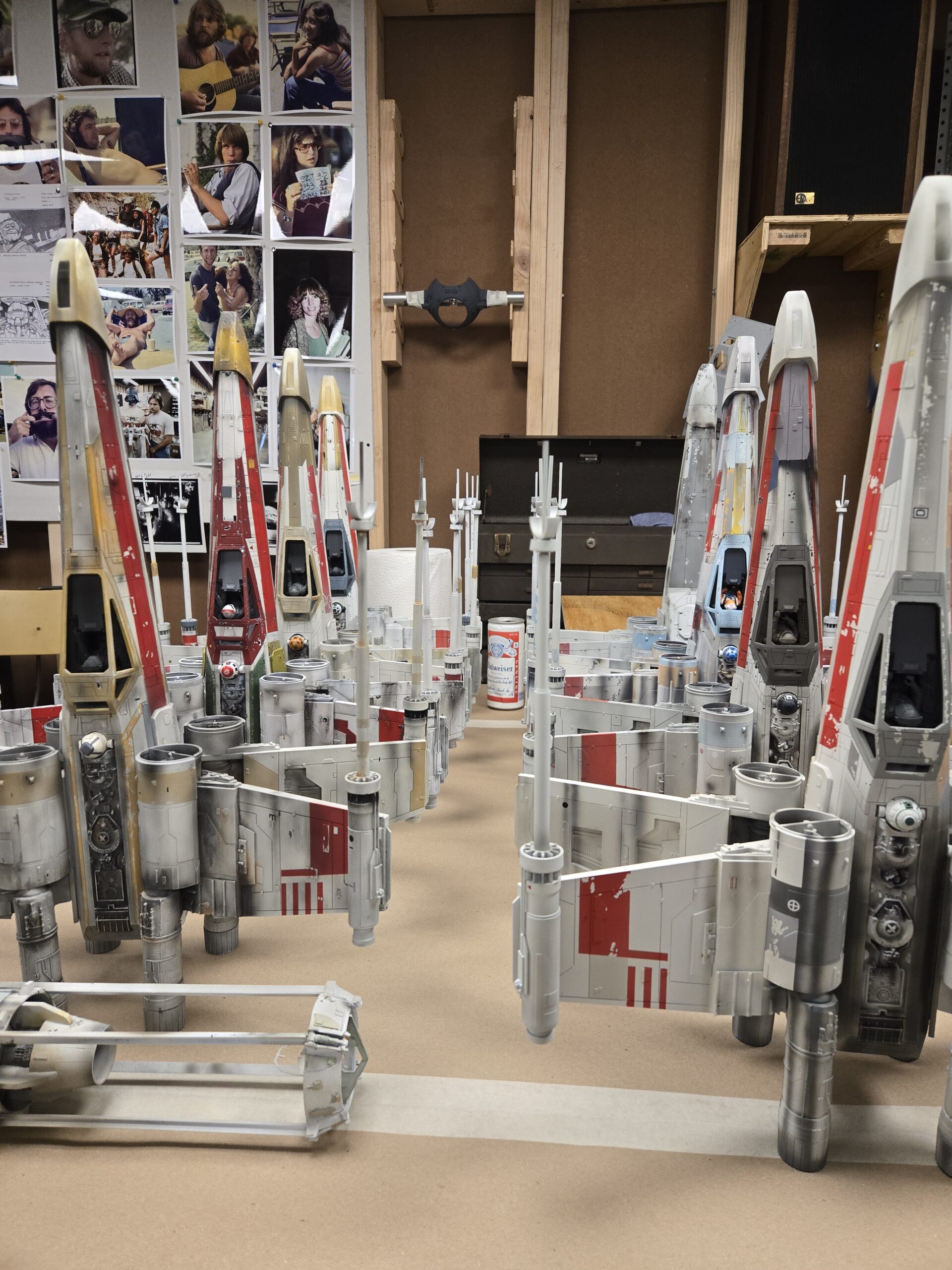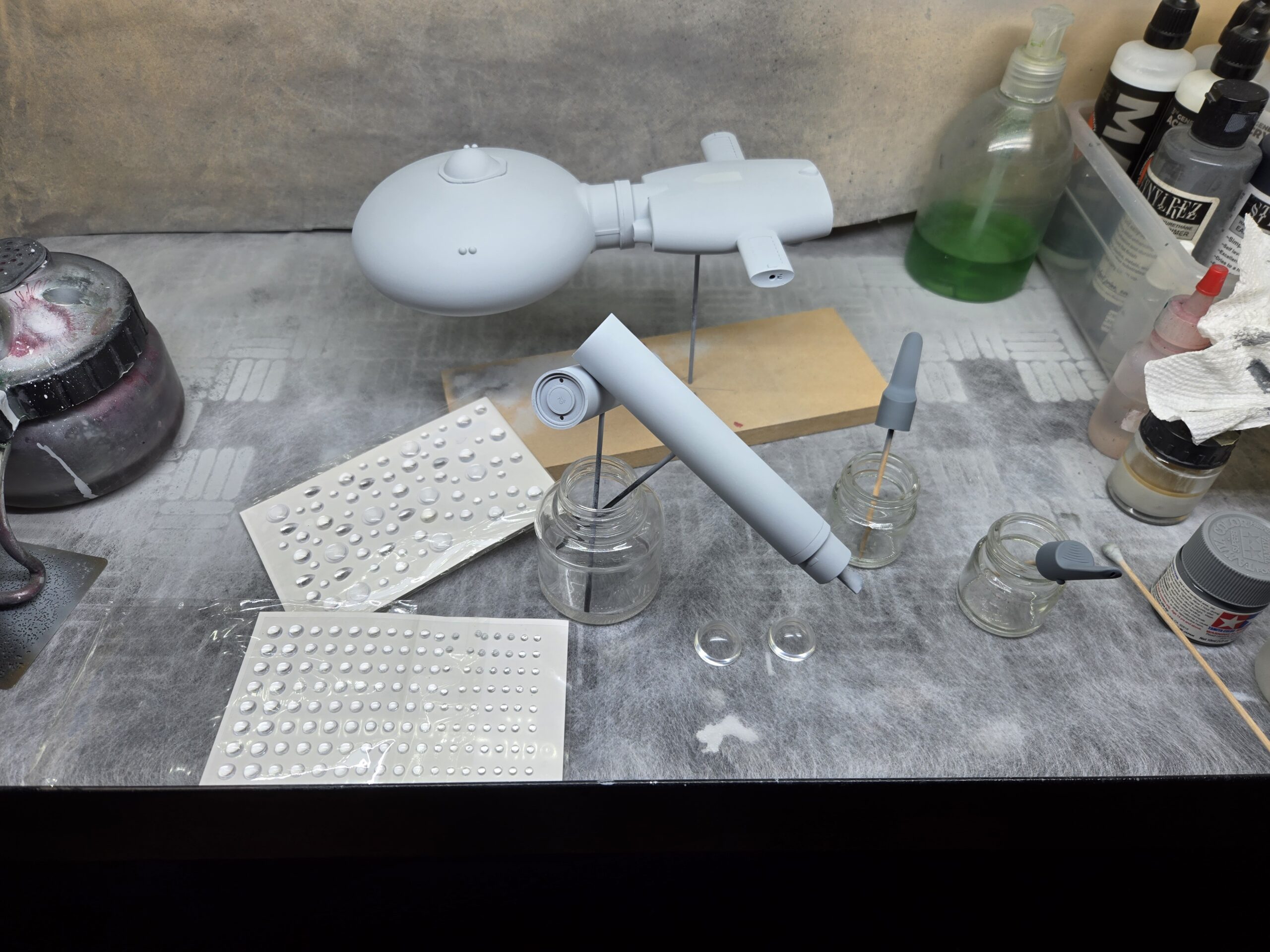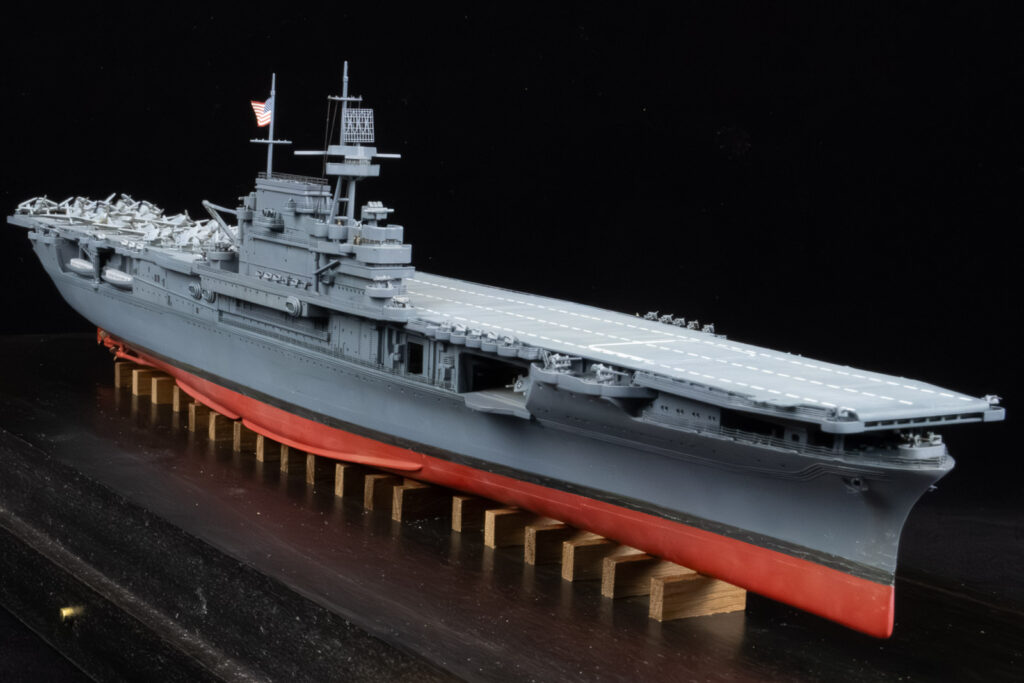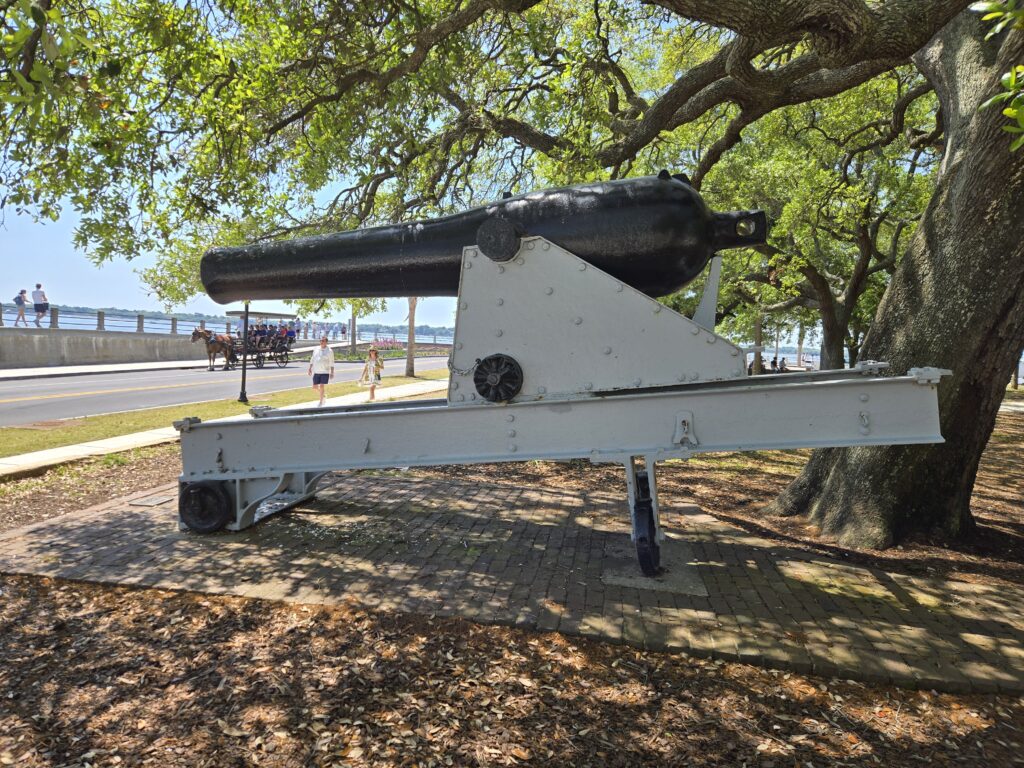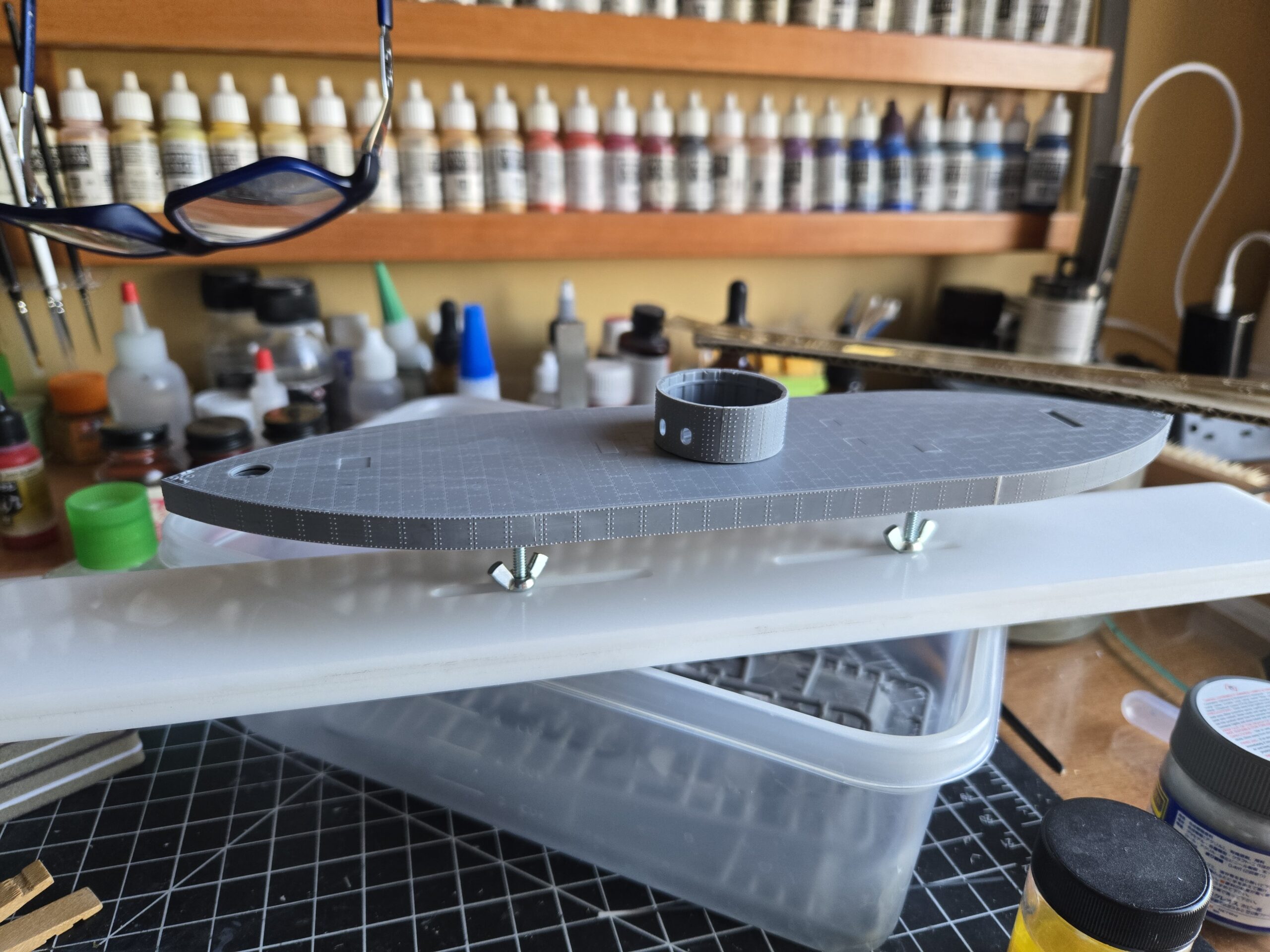
I’ve started adding items to the Model Making page. Very much a work in progress. Once all of the “classic” items are up, then I’ll start adding the dozen or so models I’ve finished over the past five years that I never added to the site.

I’ve started adding items to the Model Making page. Very much a work in progress. Once all of the “classic” items are up, then I’ll start adding the dozen or so models I’ve finished over the past five years that I never added to the site.

This website looks a bit stripped-down at the moment. I’m in the process of cutting over from an old hosting company that wasn’t keeping up with the times. Truth be told, I wasn’t keeping up with the times, either, as the majority of the website was done via Dreamweaver. I’ve moved the WordPress bit to this new host, and will now start migrating all of the content from Dreamweaver to WordPress as time allows.
Stay tuned…

My day-job at Radii was mentioned in an article in The Architects Newspaper. The publication covers things… well… architectually related. The piece is specifically about the world of architectural model making in the New York City region, where Radii is a major player. The article can be read HERE.
I don’t normally post about what I do on my day-job as an architectural model maker. So many of our projects have NDAs associated that I just assume they all have them. By the time everything’s been released, I’ve moved onto the next project, or maybe even two projects beyond. For the 67-story Mercedes Benz Places now going up in Miami, though, the client is already talking.
Above is a shot of the 7/64″ = 1′ model that we at Radii, Inc. built. Part of a team, I helped with CAD design, 3D printing, and some painting on this project. There was an article on one of those trendy Miami news websites concerning the project, but it’s since been taken down, unfortunately.
These are images of some of the work I did for Gulliver’s Gate, from 2016 through 2018. I had a special gallery plugin installed to showcase them, but it’s become problematic, so this simple grid layout will have to do for now.
The Life and Adventures of Nat Love, Better Known in the Cattle Country as “Deadwood Dick” by Nat Love
My rating: 4 of 5 stars
A nice insight into the life of Nat Love. The writing is a bit uneven, as it was dictated to someone that didn’t do a lot of editing of the train-of-thought tangents, but there’s still a lot of great stories in it. Even though a lot of the stories do have a “tall tale” feel to them — I attribute that to the book being written years after the fact — the book is a very informative look at the experiences of an ex-slave’s transition to the life of a cowboy, post-Civil War.
“The Devil’s to Pay”: John Buford at Gettysburg. A History and Walking Tour. by Eric J. Wittenberg
My rating: 4 of 5 stars
Very detailed and informative book focused almost entirely on the U.S. cavalry during the first day of the Battle of Gettysburg. Dispositions and actions are very well covered for that first day, as well as brief coverage of the units’ reduced employment the night of July 1st, and the day of July 2nd.
My only quibble with the book is it’s titled “John Buford at Gettysburg”, and while it does indeed feature him, it’s less about the man and more about the units under his command. And while it’s true that once battle is joined, the General has limited control over the actions of his men, I would have liked a bit more insight into Buford’s decision making as well as quotes from him as to what he was thinking that day; just more of his personal experiences during the battle.
That said, it really is a great book that brings a lot more detail to an aspect of the Battle of Gettysburg that has long been overshadowed by the other actions of those three days.
The Guns at Last Light: The War in Western Europe, 1944-1945 by Rick Atkinson
My rating: 5 of 5 stars
A great overall look at the war in Europe from the United States’ perspective, covering from Normandy through to the surrender. Atkinson goes a lot into logistics, which isn’t the typical “sexy” subject matter of WWII books, and shows how it was that “behind the lines” business of getting supplies to the front line troops that dictated much of the pace of the last year of the war. He also delves into the shortage of manpower, such as how British and German losses over the many years of war affected how many soldiers could be thrown into battle. American losses suffered during the Normandy campaign are also stacked against maintaining enough reserves of U.S. forces to prepare for the anticipated invasion of Japan.
Well thought out and written, this is an amazing book. I now need to go back and read the first two volumes.
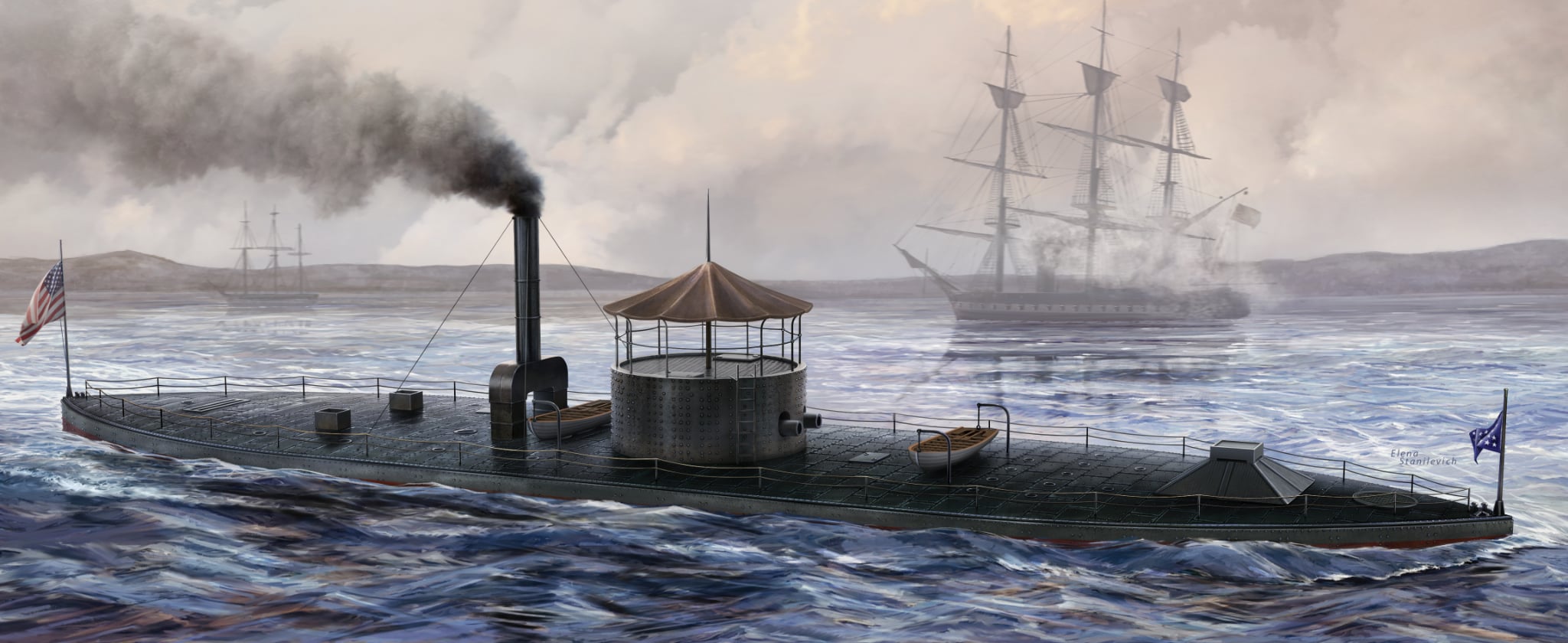
Over on ModelWarships.com, I review the new resin kit of the Civil War ironclad USS Choctaw.
Check it out HERE.